
15.09.2025
Nuclear Energy in Central Asia: Regional Aspirations and Global Stakes
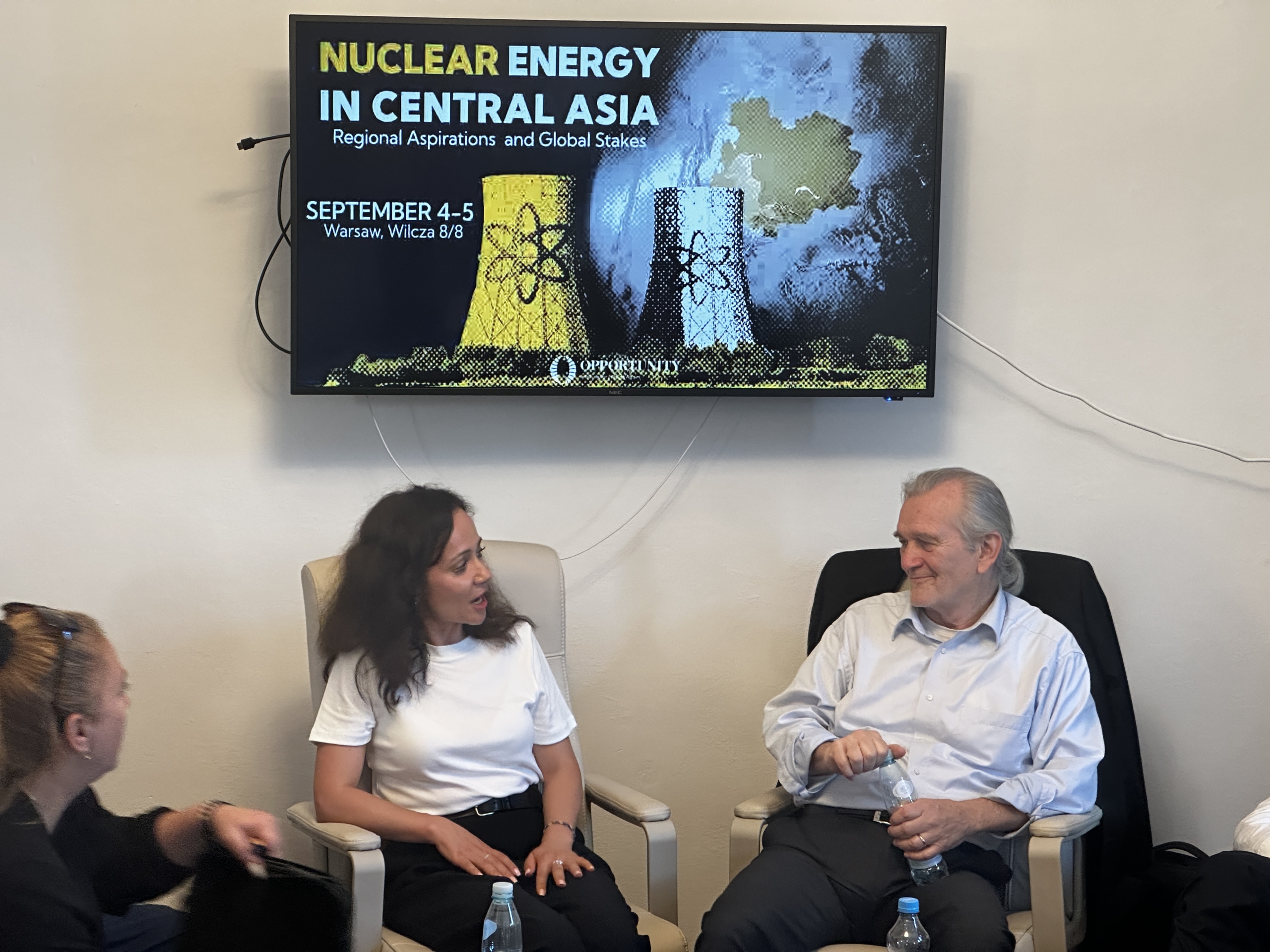
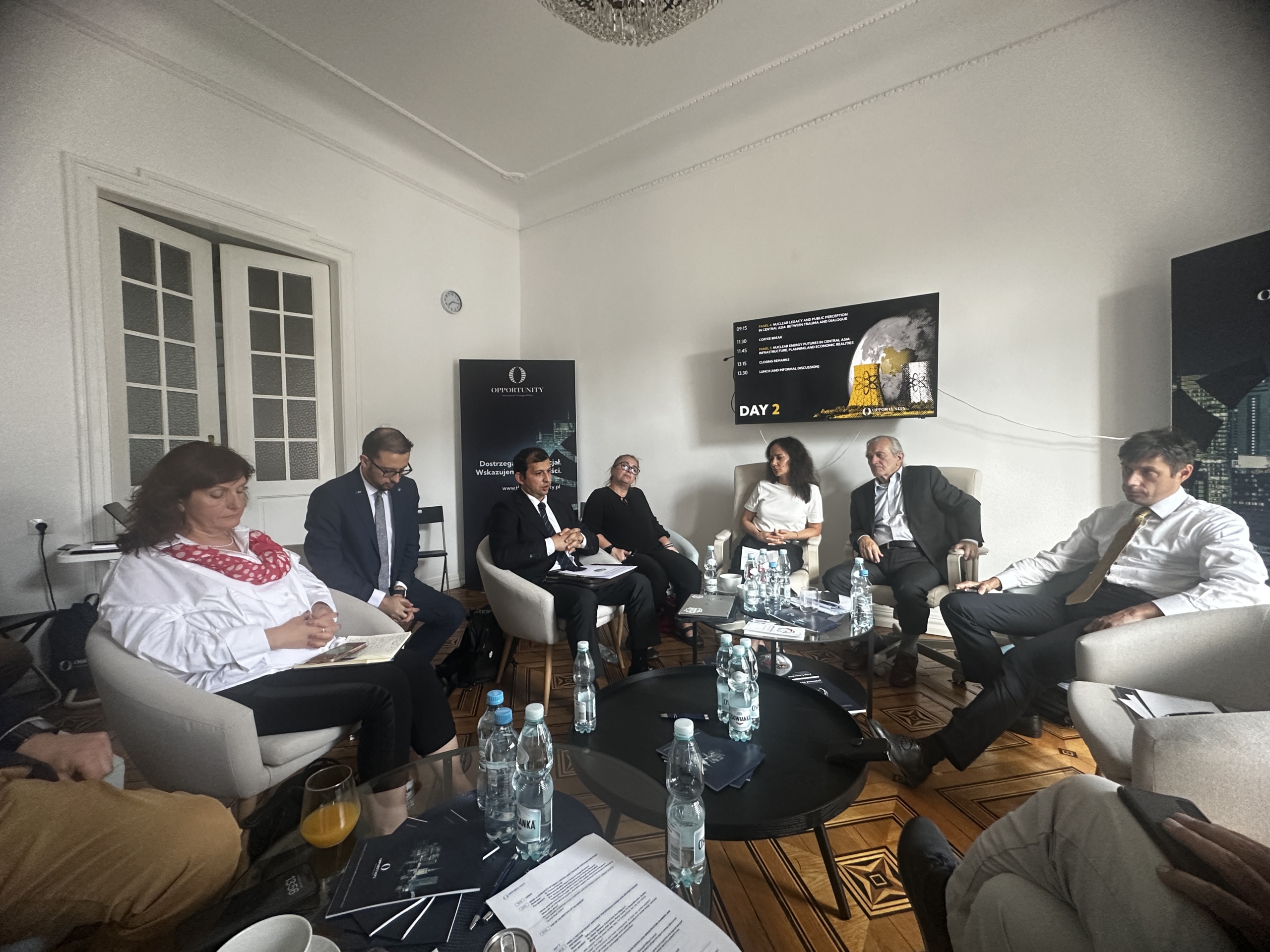
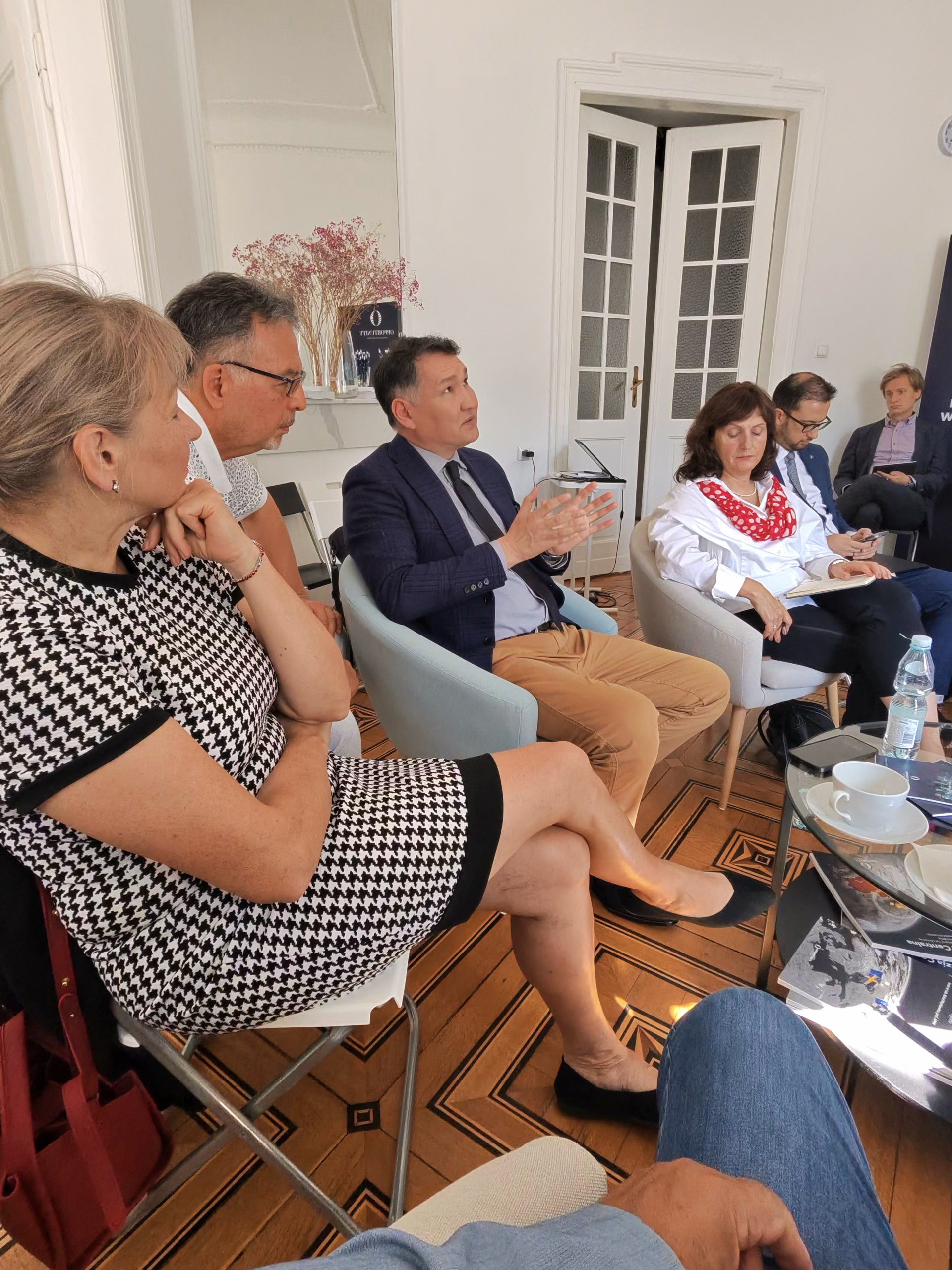
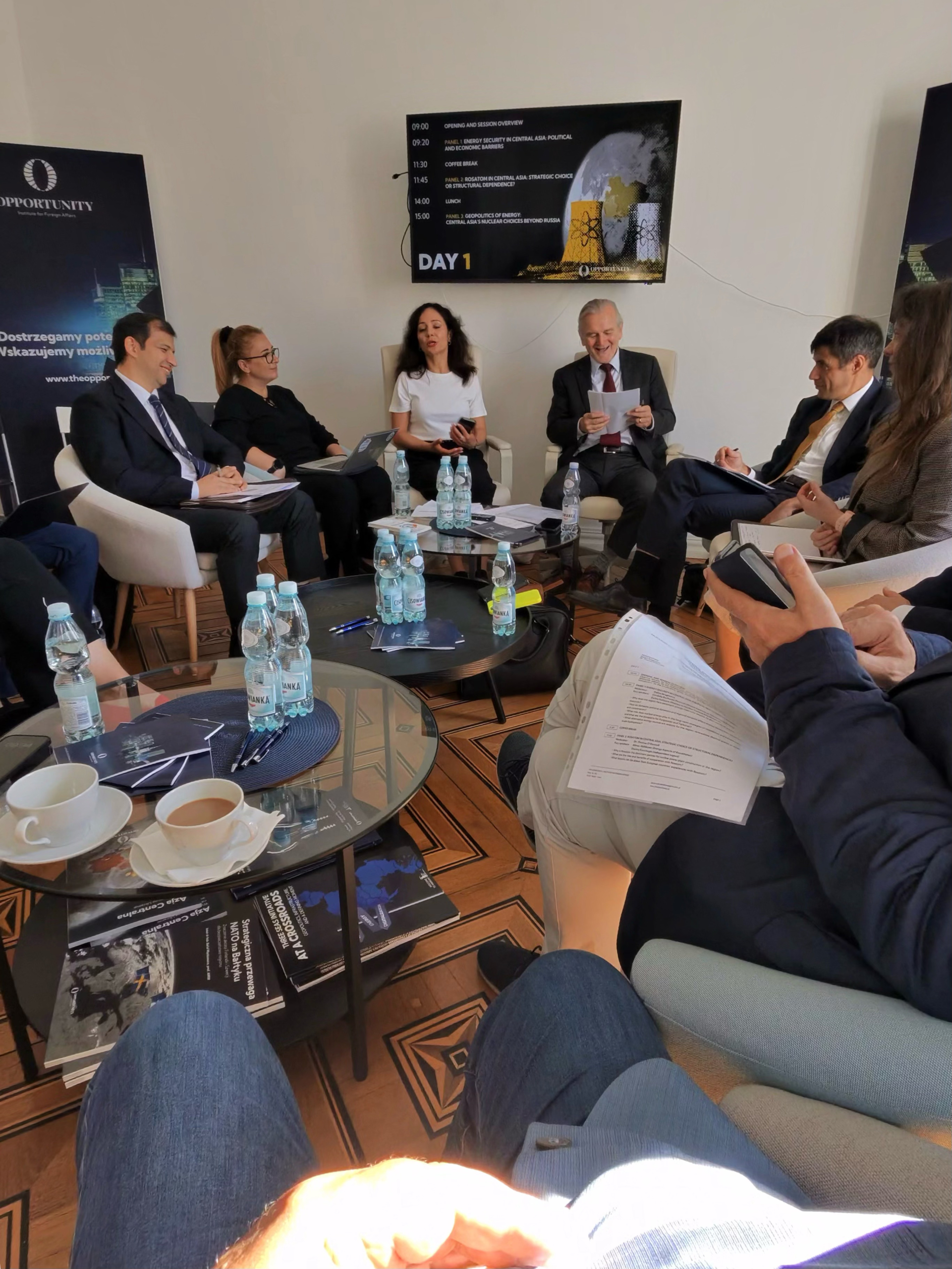
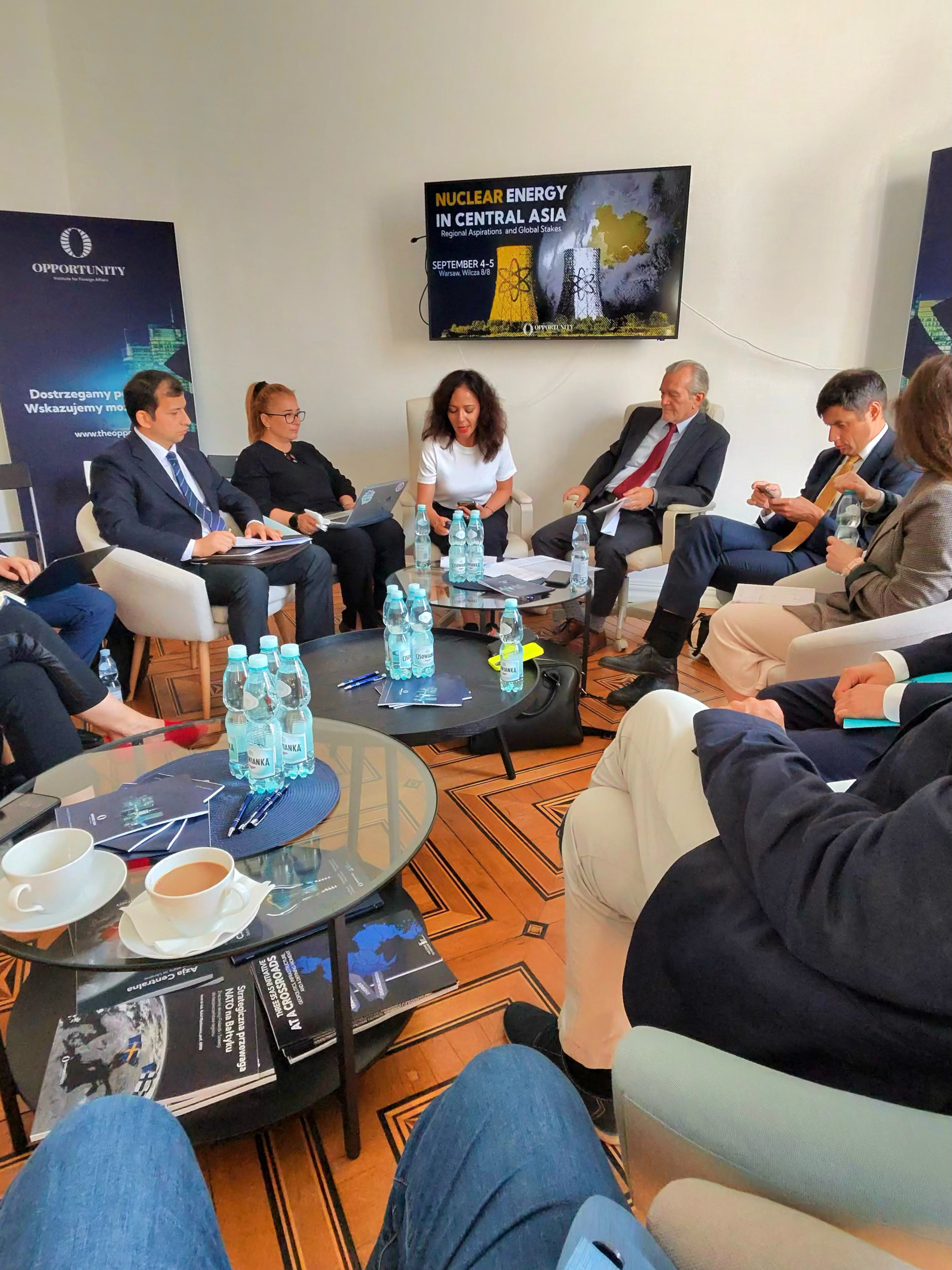
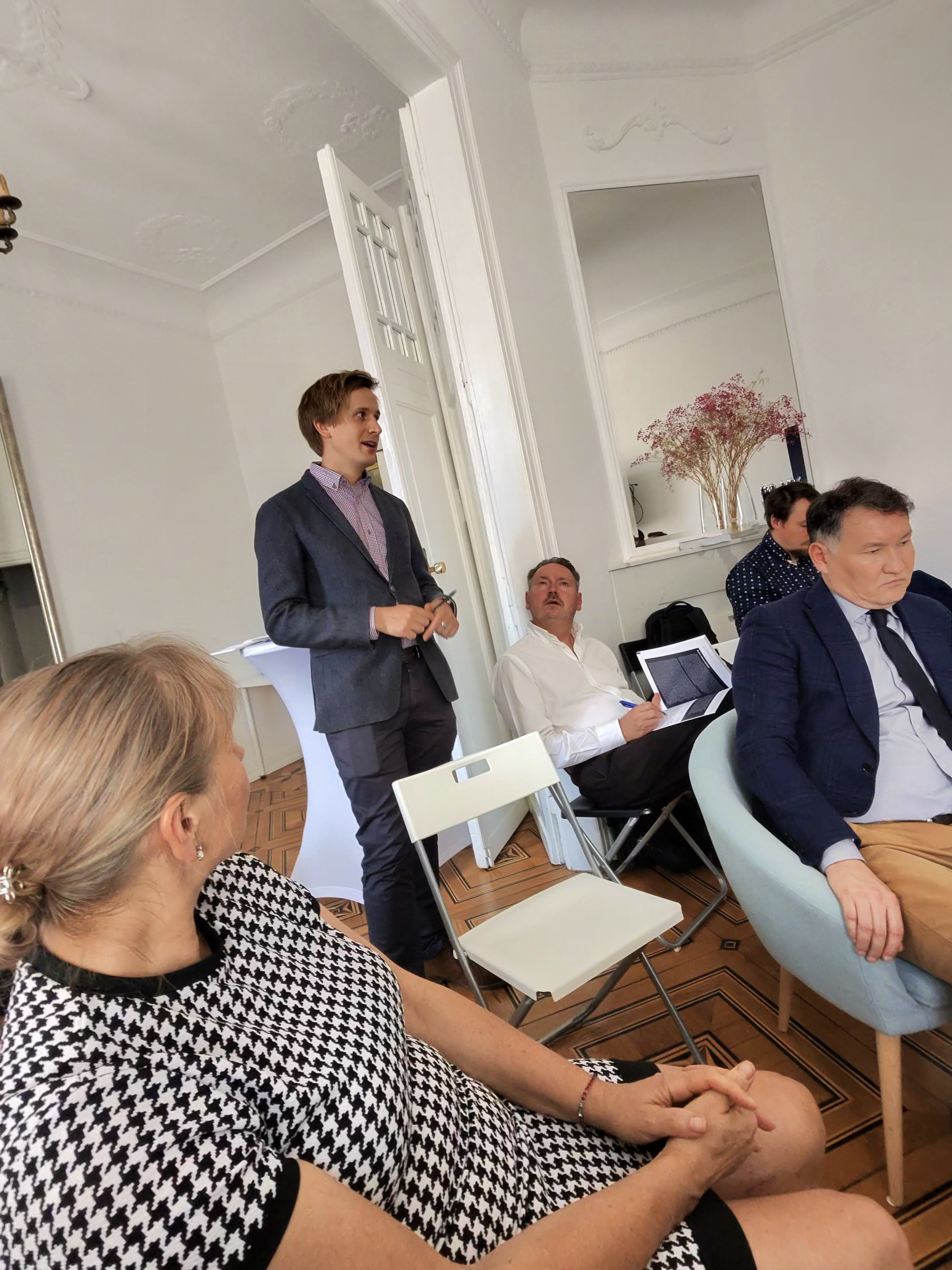
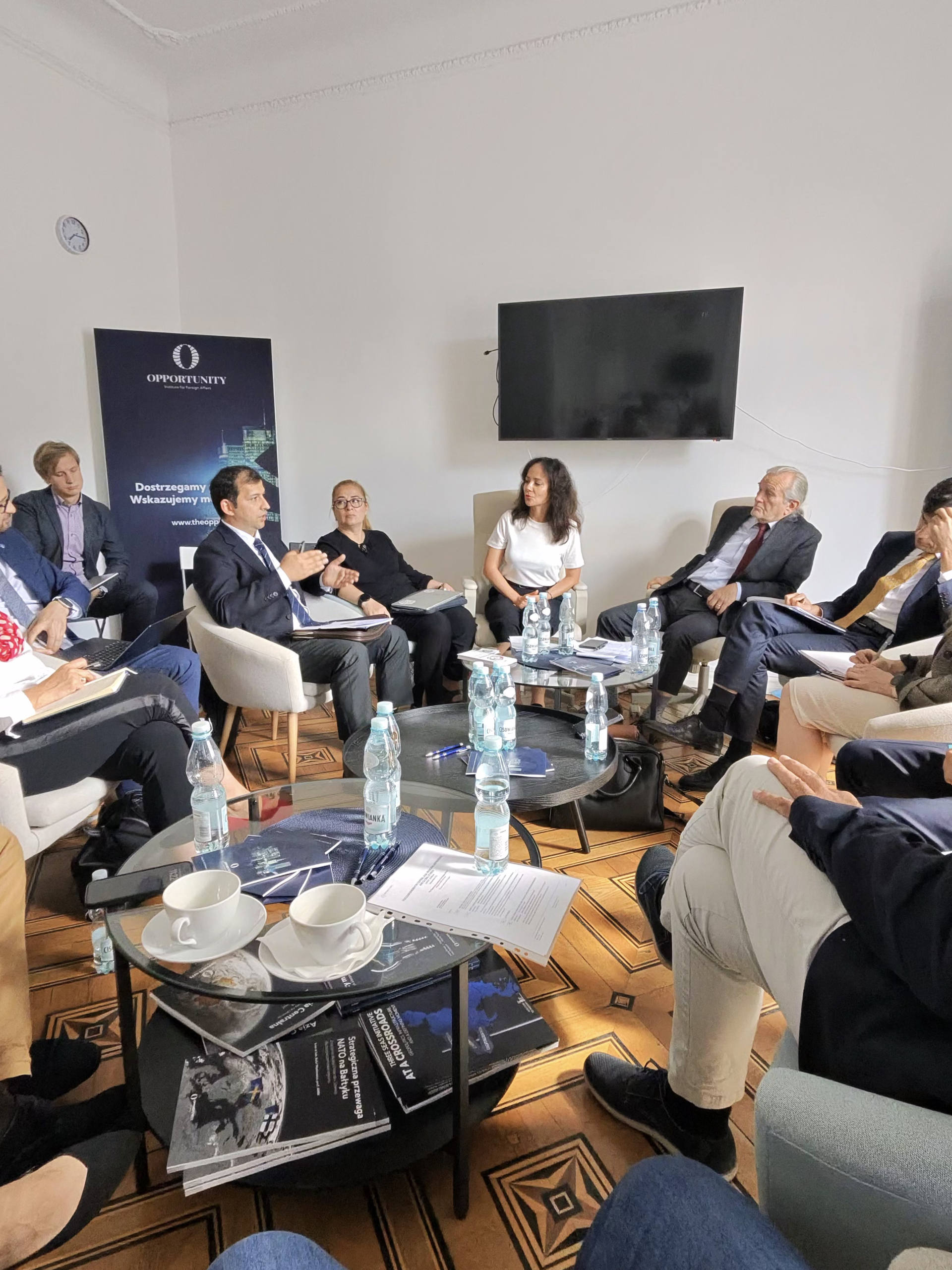
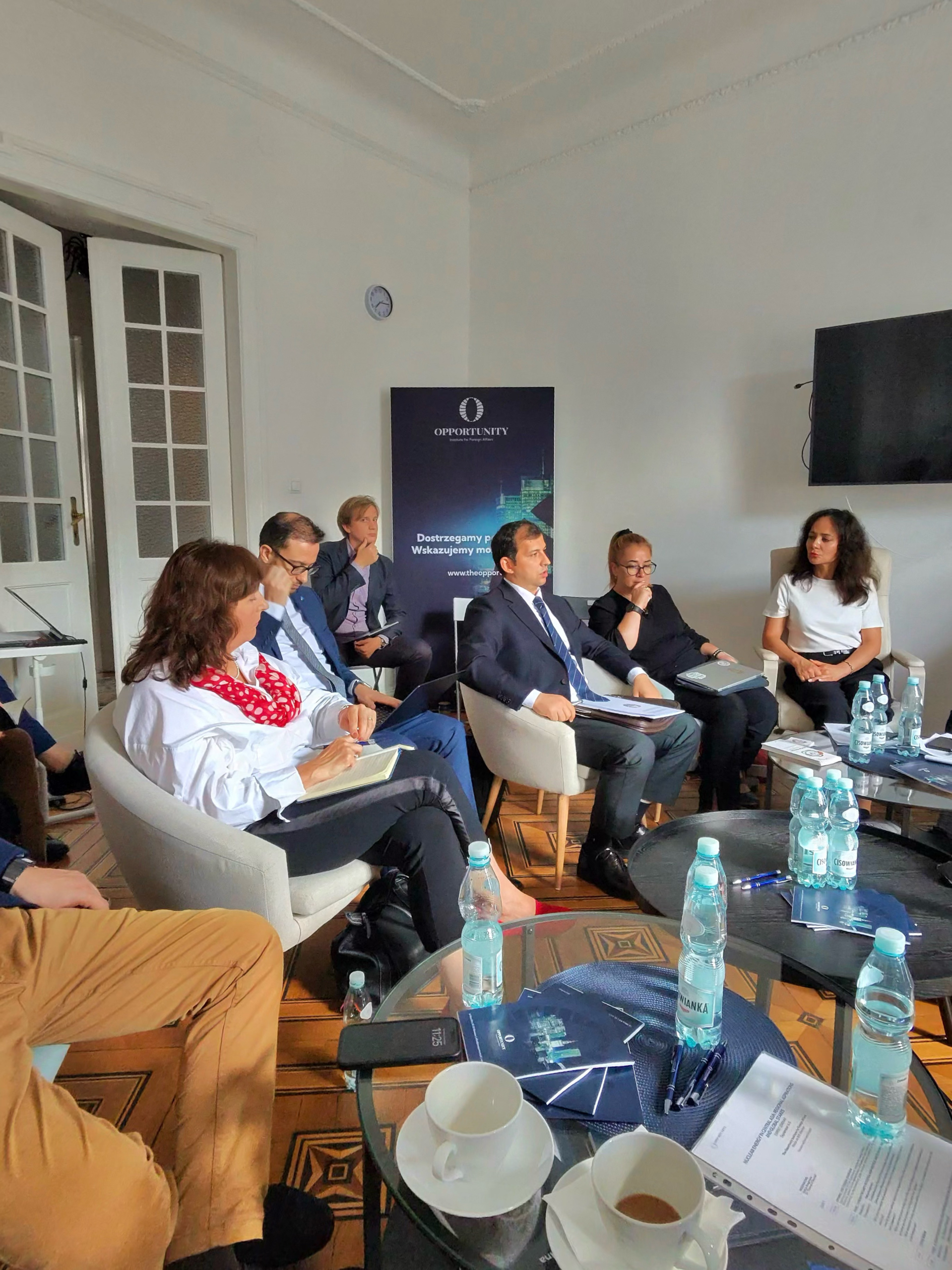
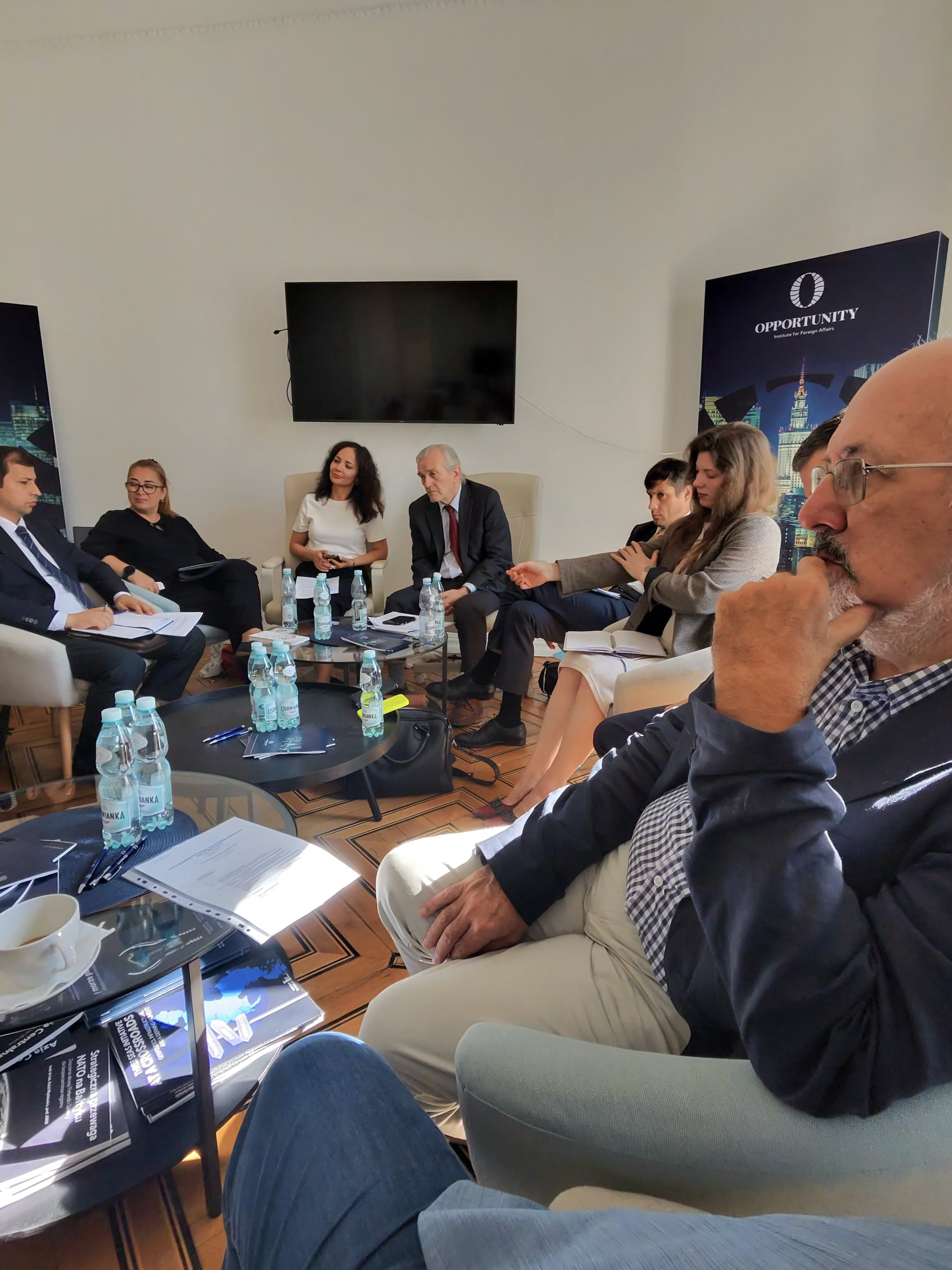
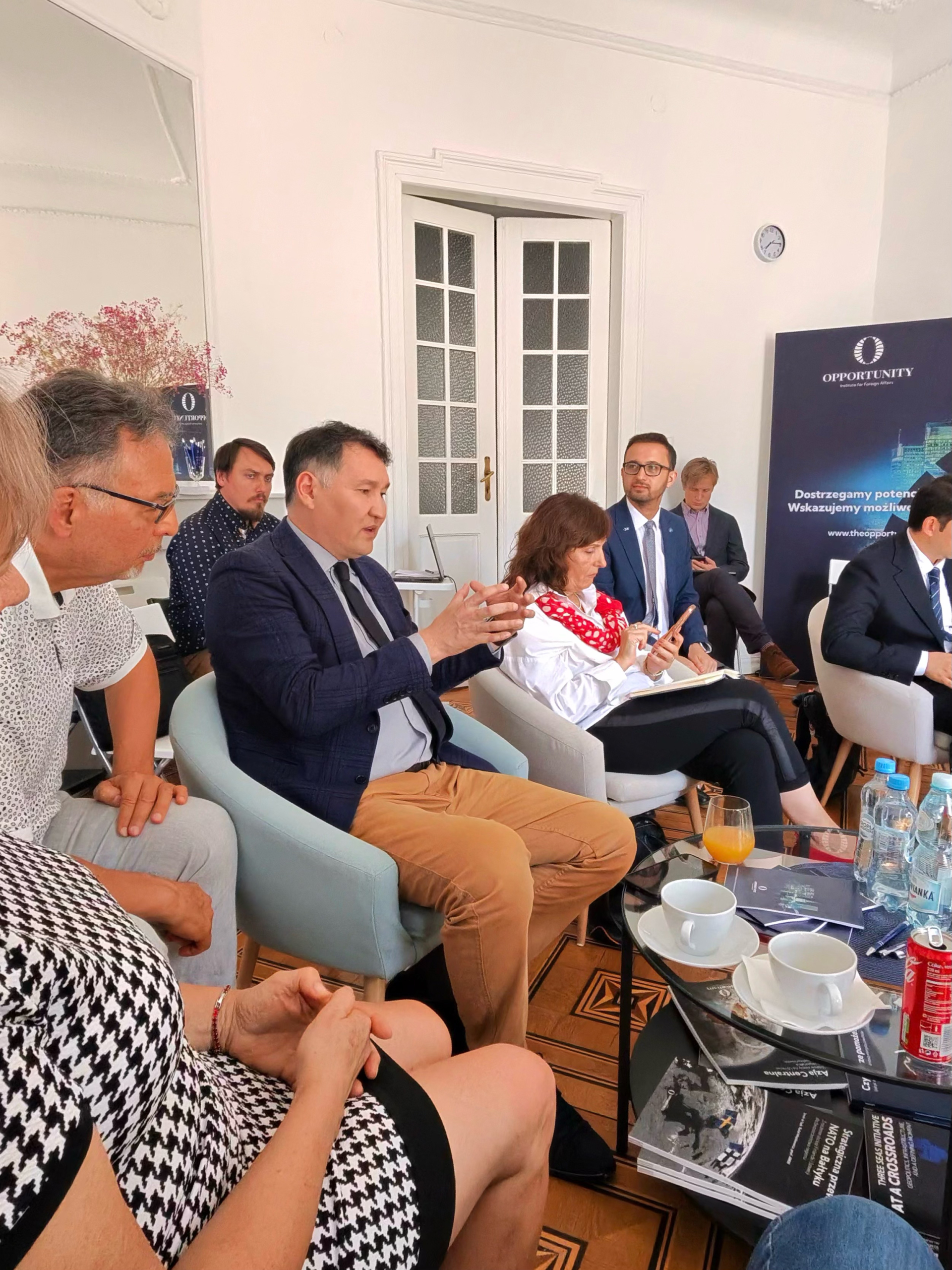
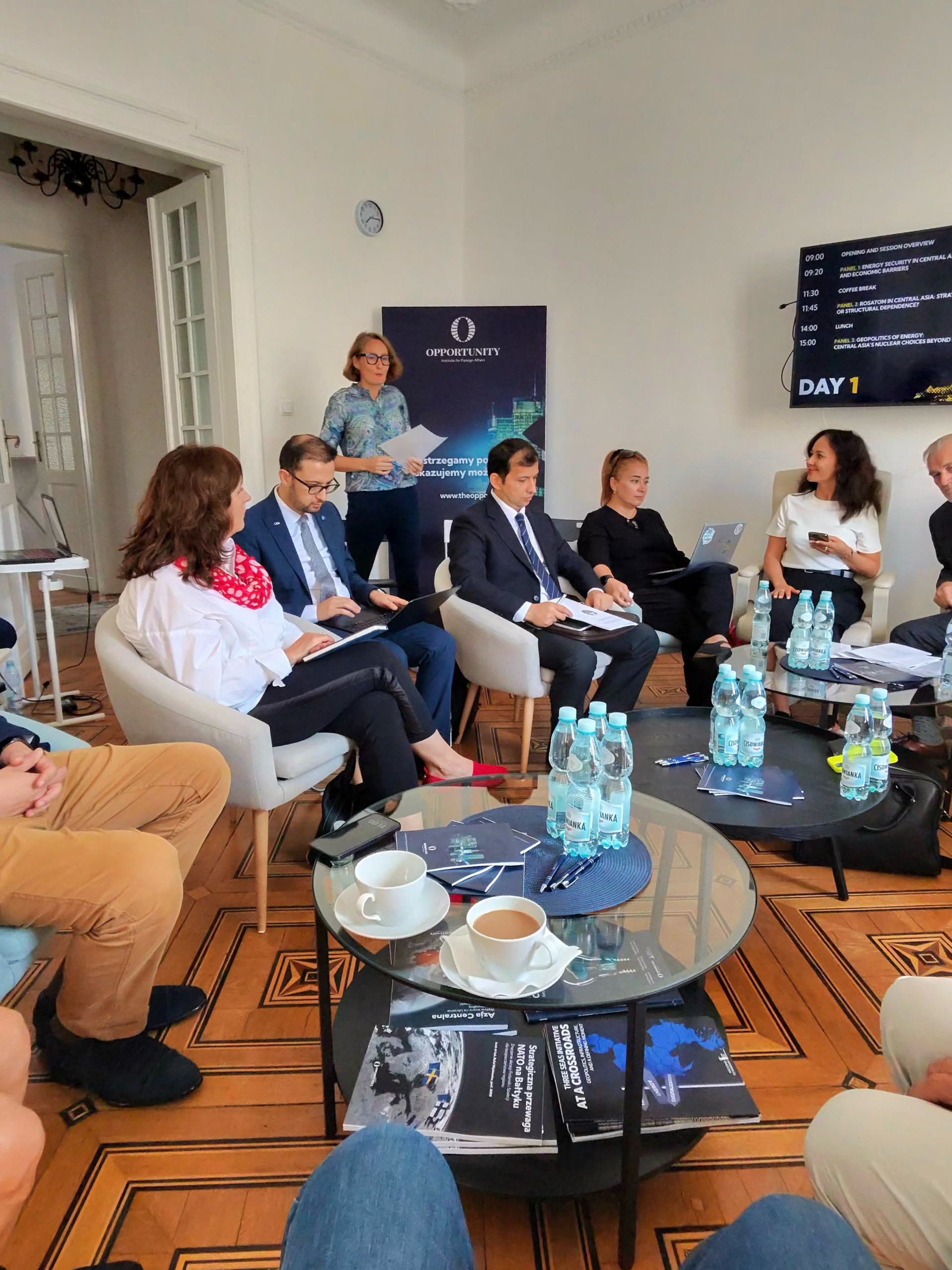
On 4–5 September, the Warsaw headquarters of The Opportunity Institute for Foreign Affairs hosted the expert seminar “Nuclear Energy in Central Asia”, dedicated to the challenges and opportunities facing the countries of Central Asia in the development of nuclear energy. The meeting brought together energy experts, political scientists, as well as physicists and journalists, who discussed the role of nuclear power in the region’s energy transition, as well as the geopolitical competition surrounding new infrastructure projects.
Central Asia possesses both abundant natural resources and historical experience with the nuclear sector – including the traumatic legacy of nuclear testing. The region’s states are therefore not nuclear “newcomers,” but rather “returners” to nuclear power, which lends the debate a particular social and political dynamic. Experts stressed that policymakers engaging with regional actors should bear in mind the specificities of each of the five countries and avoid treating them as a single entity.
Kazakhstan, the world leader in uranium production, has for years been struggling with a growing electricity deficit and an outdated energy infrastructure. Although there are increasing pressures in the country to diversify its energy mix, the authorities approach renewables cautiously and continue to rely on coal. The construction of nuclear power plants appears to be a necessary step toward achieving the 2060 decarbonization targets, although social scepticism persists, particularly regarding waste management and safety. Kazakhstan explicitly rejects the “build-own-operate” (BOO) model, determined not to repeat the “Turkish scenario,” and has declared its intention to retain ownership of its future nuclear plant.
Uzbekistan finds itself in a different position – shifting from being a gas exporter to becoming an importer, which pushes the country to accelerate investment in renewables and to consider nuclear projects. Already, the share of renewable sources has risen above 20%, and by 2040 the country aims to reach 54%.
The debate repeatedly returned to the issue of Rosatom’s dominant role. Thanks to state financing and questionable practices, Rosatom maintains its competitive advantage. It has successfully sought to distance itself, image-wise, from Kremlin politics and has not been subjected to EU sanctions, which increases its attractiveness in the region. On the other hand, Turkey’s experience shows that cooperation with Russia can lead to long-term technological and financial dependence, limiting room for maneuver in foreign policy.
As an alternative, China was highlighted. In its nuclear policy vis-à-vis Russia, Beijing consistently avoided one-sided dependencies, demanding favourable contractual terms and production localization. China thus appears as a more flexible and less hegemonic partner for the region’s states.
The seminar also placed special emphasis on social and institutional conditions: the lack of transparency in the energy sector across Central Asia, strong public concerns over radioactive waste and mining, as well as the absence of integrated transmission networks. It was noted that greater transparency, the creation of compensation funds for populations exposed to the consequences of extraction, and investments in education and training (including through cooperation with European Union states) could help address some of these challenges.
During the discussions, experts sought answers to the following questions:
- Will Rosatom manage to maintain its dominant position in the region despite growing Chinese and European competition?
- What ownership and financing models for nuclear plants are viable in Central Asia, and which best protect national sovereignty?
- Can public–private partnerships become an effective tool for developing the nuclear sector in the region?
- How can international institutions and the EU accelerate decision-making processes to avoid losing out to Russia and China?
For more findings, we invite you to read the forthcoming report, which will be published soon!