Comments
The end of the ‘two friends system’ in Kyrgyzstan
On 10 February 2026, President Sadyr Japarov issued a presidential decree dismis...


15.12.2025
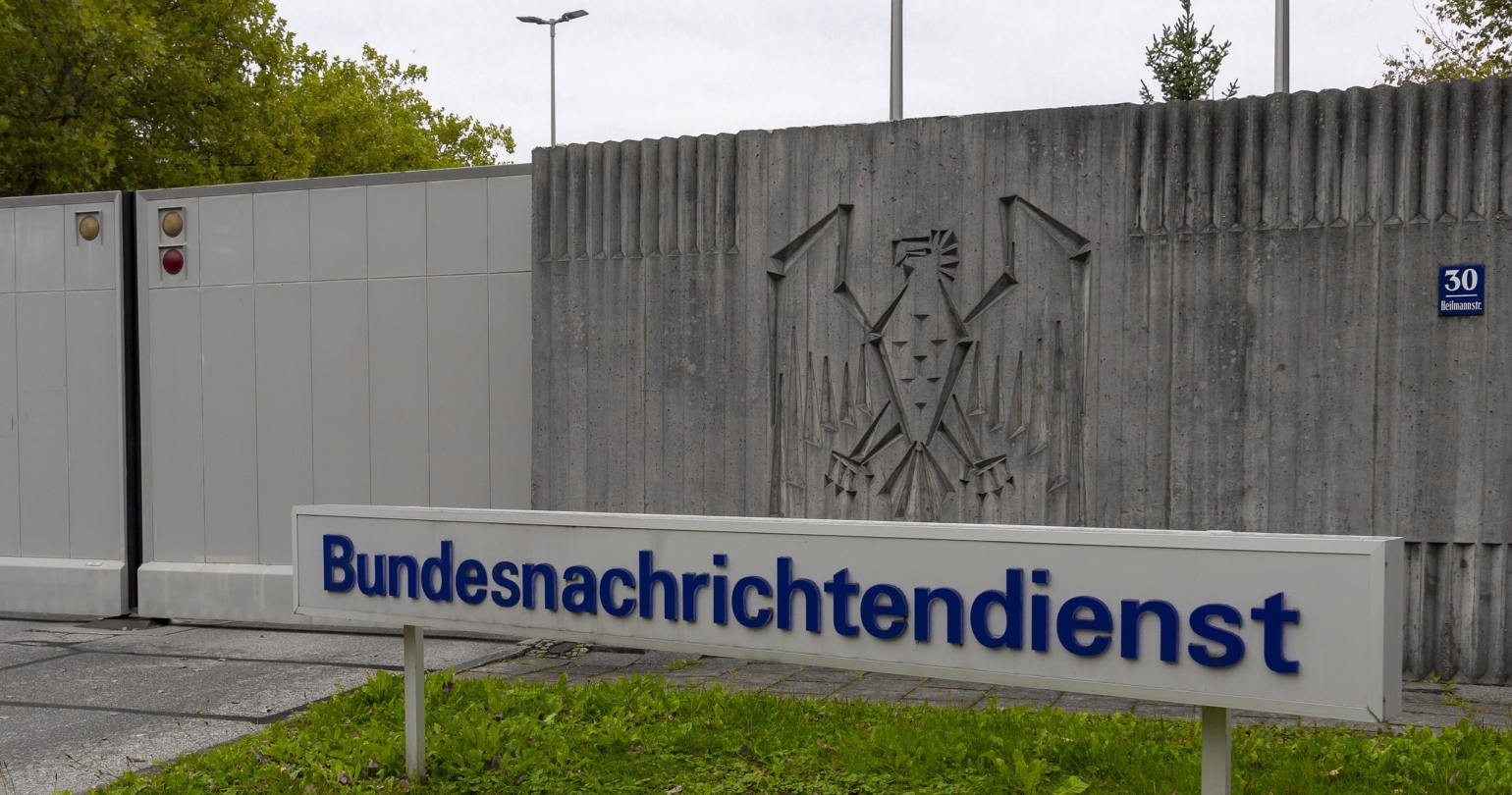
Information regarding planned amendments to the German Federal Intelligence Service (BND) Act appears primarily as a lobbying effort. Its purpose is to legitimize activities already underway while restricting access to classified information for the parliamentary committees responsible for oversight. The BND’s demonstrable success over the years in expanding its own budget should, incidentally, serve as a model for similar institutions, not only in Poland but elsewhere as well.
Issues related to the operational effectiveness of German intelligence agencies, as well as the supposed legal constraints on their work, have long been a subject of debate within expert circles. In the public domain, archival research has occasionally highlighted conflicts between counterintelligence services of Germany and other NATO states. For instance, there were disputes over which party was responsible for paying rent on an operational facility in Germany. Journalistic investigations from 2025 into the history of the CIA have also drawn attention. According to these reports, after September 11, 2001, there were instances in which German security services reportedly failed to respond to matters critical to the United States, partly due to statutory holidays.
Radical transformations in the security architecture after 2022, along with isolated events — such as the leadership change in German intelligence services in 2025 and Chancellor Merz’s September address at the BND headquarters — have, much like the previously noted cases in academic and journalistic discourse, become part of a lobbying effort by German intelligence agencies. These efforts aim to secure legal changes favorable to the services and, as a direct consequence, to increase their budget.
According to information disclosed by the media on December 10, 2025, the planned 2026 amendments to the Federal Intelligence Service (BND) Act were expected to address: closer cooperation between civilian intelligence, military services, and police units; the legal framework for retaliatory cyber or infrastructure operations inside adversary systems; the use of controversial software tools that, while nominally for investigative purposes, simultaneously infiltrate entities unrelated to the case; and a redefinition of parliamentary oversight of the BND. The latter was expected to be limited due to the risk of sensitive information leaking from the relevant Bundestag committee.
Media reports should be approached with caution, as should the statements made by German politicians at the December 8, 2025, security services conference. Those bordered on megalomania and bore little relation to the ethos of a discreet intelligence service. These statements allegedly highlighted Germany’s substantial operational capabilities to counter Russian actions. First, the nature of intelligence and counterintelligence work means that, when required by operational interests, agencies will take whatever actions are necessary to achieve their objectives, regardless of how many regulations are technically breached — including those concerning official days off. Second, the proposed BND Act amendments reported by the media are unlikely to significantly affect foreign intelligence operations, aside from issues related to coordination between intelligence and police services.
The planned amendments are primarily aimed at legitimizing activities that, it can be assumed, are already occurring or have occurred. Equally significant would be the gradual reduction of parliamentary oversight over security forces. The concern is not principled resistance by intelligence agencies to legislation, but rather apprehension regarding the loyalty or discretion of deputies from parties such as AfD. Beyond the issue of these deputies’ relations with Russia, a further complication arises from the fact that some Bundestag parties support legal changes — though in their case, the amendments would actually strengthen parliamentary oversight of the BND. This could spark another conflict within the governing coalition.
It is worth noting that since 2016, the German counterintelligence budget has increased from over €200 million to more than €680 million in 2026. Over the same period, funding for intelligence rose from over €500 million to around €1.5 billion. Estimates for the next calendar year suggest that the BND’s budget lobbying is effective. In this regard, Polish security services could take a leaf out of the BND’s playbook, while, within the realities of Poland, avoiding the kind of public megalomania exhibited by their leadership.
The only somewhat positive aspect of the media commentary discussed here was the sarcastic observation that the conference took place in proximity to Russian diplomatic missions in Berlin, providing them with ideal opportunities to electronically infiltrate the meeting.
Przeczytaj też
Comments
On 10 February 2026, President Sadyr Japarov issued a presidential decree dismis...
Comments
The security cooperation agreement signed in early January of this year opens ne...
Comments
On January 17, 2026, the Agreement on Marine Biological Diversity of Areas Beyon...
Comments
In its November statement, the state news agency Xinhua cited remarks by Xi Jinp...
Web development & Web design: Artixen.net | © 2024 Oppotrunity