
Comments
The end of the ‘two friends system’ in Kyrgyzstan
On 10 February 2026, President Sadyr Japarov issued a presidential decree dismis...


16.01.2026
The security cooperation agreement signed in early January of this year opens new avenues for Israel to export its domestic defense technologies. For Germany, it represents a diversification of potential supplies and an attempt to reduce reliance on U.S. equipment. Regardless of the additional political benefits, it must be noted that this agreement will not alter Israeli policy. It will offer only those solutions that can be transferred to third countries without compromising its own security.
German-Israeli security relations can be divided into three levels. The first, the strategic level, was symbolized by the abduction and trial of Adolf Eichmann in 1962. This operation demonstrated the effectiveness of Israeli special forces in pursuing perpetrators of war crimes – a pursuit that Germany was reluctant to conduct with excessive determination.
A lack of effectiveness was also evident at the second level, the tactical one. This resulted in the massacre of Israeli athletes during the 1972 Olympic Games in Munich. This event forced changes in the functioning of Germany’s security structures and contributed to the initiation of bilateral efforts to examine the causes of those failures. From this followed activity at the third, operational level. An illustrative example is the mediation mission conducted after 2000 by a senior German intelligence official in talks with the leadership of Hamas regarding the return of the remains of kidnapped Israeli soldiers.
The Significance of Israel for Germany’s Security Policy under current geopolitical conditions is determined by the domestic situation, namely the substantial Middle Eastern diaspora in Germany and the need for its joint monitoring and/or operational use for counterterrorism prevention. Israel’s technological potential is viewed as an alternative to the American IT sector. This implies a desire for cooperation that is financially beneficial for both partners.
Furthermore, the policy of Prime Minister B. Netanyahu’s government toward Middle Eastern states, particularly Iran, necessitates maintaining proper relations with Israel. This is determined by Germany’s involvement in initiatives aimed at, for instance, limiting Iran’s uranium enrichment program. From the perspective of benefits generated by Germany’s own foreign policy, it is also expedient to preserve the role of a reputable and reliable intermediary, which can additionally derive financial gains from the political services it offers.
The agreement signed on January 11, 2026, between representatives of the German and Israeli governments fits into this model of action observed since the visits of Interior Minister A. Dobrindt to Jerusalem in 2025. At that time, the parties declared cooperation in developing cyber defense instruments, protection against drone attacks, and the securing of critical infrastructure. German officers are to be seconded to offices intended to assist in rebuilding the structure of law enforcement forces in the Palestinian Authority. Additionally, plans were made to establish a joint center of excellence for artificial intelligence research.
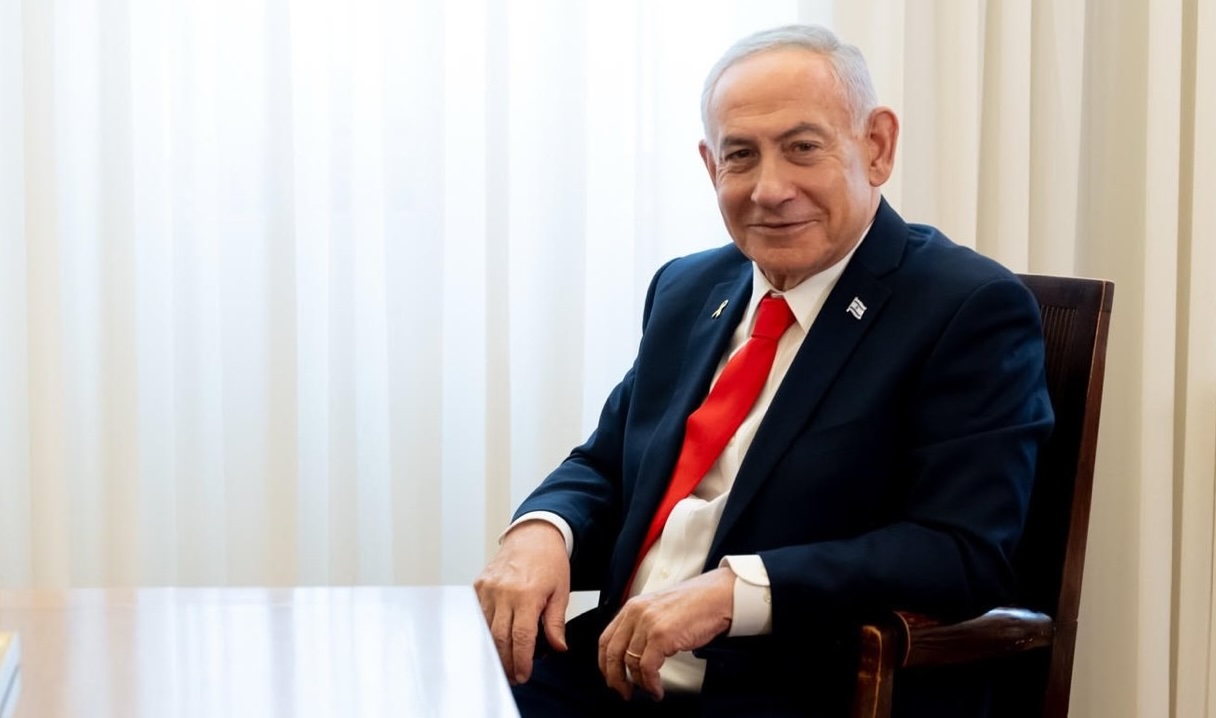
The imbalance of emphasized themes in the post-signing statements remains significant. The German minister stressed the value of cooperation in ensuring security. The Israeli prime minister, in turn, focused on the economic benefits of cooperation.
While the interpretation of both politicians’ words is subject to debate, it must be remembered that the Netanyahu cabinet will offer Germany only those solutions that can be transferred without jeopardizing its own defense capabilities. Moreover, the Israeli security sector undoubtedly noted the fact that in 2026, funding was once again not secured for critical equipment for German intelligence, specifically the satellites that have been requested for years.
Germany will remain an important partner for Netanyahu. However, it will never match Israeli security forces in financial capacity, applied technology, or — most importantly — in assertiveness, even toward a cooperative and well-disposed partner, or in the absence of hesitation to conduct actions against it, should the interests of the state require it.
Photo: Link
Przeczytaj też
Comments
On 10 February 2026, President Sadyr Japarov issued a presidential decree dismis...
Comments
On January 17, 2026, the Agreement on Marine Biological Diversity of Areas Beyon...
Comments
Information regarding planned amendments to the German Federal Intelligence Serv...
Comments
In its November statement, the state news agency Xinhua cited remarks by Xi Jinp...
Web development & Web design: Artixen.net | © 2024 Oppotrunity