Comments
The end of the ‘two friends system’ in Kyrgyzstan
On 10 February 2026, President Sadyr Japarov issued a presidential decree dismis...

11.11.2025
The meeting of government officials, state representatives, business leaders, and trade unions to discuss support for the steel industry signals the Germany’s renewed focus on maximizing protectionist measures in this sector. These initiatives should serve as an example — or at the very least, as a subject of in-depth analysis — for Polish policymakers. Unfortunately, that is unlikely to happen. In Poland, public debate on Germany continues to focus predominantly on issues of historical policy, rather than the country’s current economic or industrial strategies.
Meetings between politicians, business representatives, and trade unions are a cornerstone of FRG’s (Federal Republic of Germany) political culture. In the case of the November 6 discussions on the steel industry, this tradition carried particular weight. It was because that sector supports the work of four million employees across the country. Germany is also the largest steel producer in the European Union. However, due to the offshoring of production and mounting competition from other countries — particularly China — the nation’s leading steel corporations had been planning large-scale layoffs. The governing coalition in Berlin, facing a decline in voter support, cannot afford to let that happen.
The measures that followed should serve as a model for Polish policymakers. It is particularly telling that politicians who share virtually no common political ground have begun engaging in dialogue on matters crucial to the German economy. This applies not only to the statements made ahead of the meeting but also to the actions subsequently announced. Particularly striking was the public remark made by the SPD’s Minister for Economic Affairs, who expressed doubts about the feasibility of producing carbon-neutral steel. Just a few years ago, such a statement would likely have ended a political career – much like the SPD Vice Chancellor’s call to halt steel imports from Russia.
Equally significant are the concrete protectionist measures being put in place. Beginning in January 2026, the government intends to introduce a subsidized electricity price. For mid-sized companies, this would mean a reduction in energy costs from €0.18 to €0.05 per kilowatt-hour.
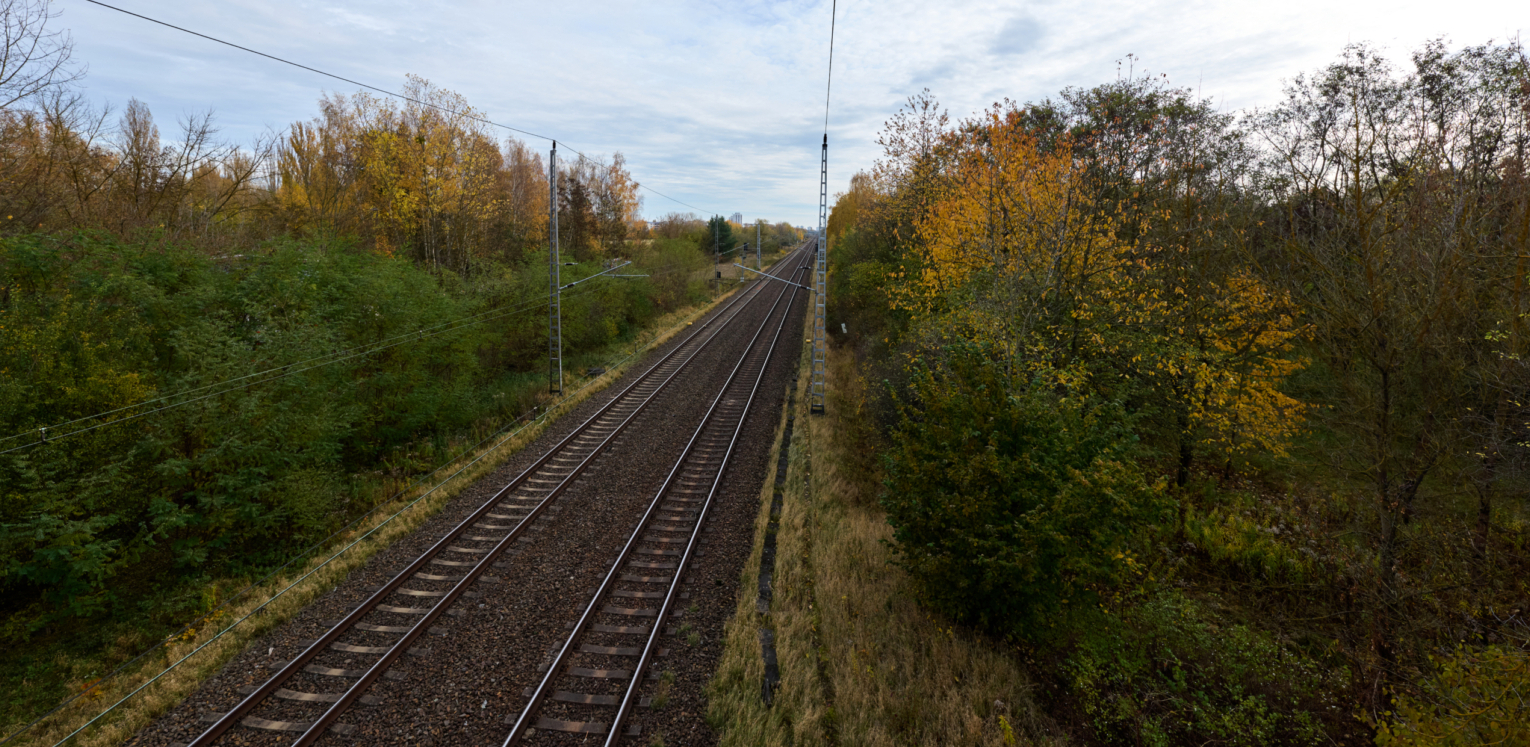
The federal government also plans to assume the costs associated with maintaining energy networks and with emissions trading for generated CO₂. In addition, Berlin aims to support at least a 50 percent increase in tariffs on steel imported from China and to restrict duty-free import quotas for this commodity. Despite ongoing controversy, the government also plans to make it mandatory in public tenders — such as for railway infrastructure projects — to use certified steel, i.e., steel produced in accordance with Germany’s environmental standards.
The challenges associated with these measures go well beyond financing. More expensive steel will inevitably drive-up end-product prices in key German industries such as automotive manufacturing and defense. Moreover, the electricity price subsidies are temporary — set to last no more than three years. They will not offset any other Chinese competitive advantages, most notably its low labor costs. Despite being a major competitor, China remains a crucial export market for Germany. The proposed measures will also fail to halt the ongoing trend of relocating energy-intensive production outside the EU, driven by increasingly unfavorable investment conditions. Furthermore, France continues to be a significant competitor in the European steel market. This could, in turn, create additional strains in bilateral political relations.
In the context of the meeting, Chancellor Merz’s remark that the era of a “free, naïve market” has come to an end appears particularly significant. What is regrettable, however, is that this statement has not received as much attention in Poland’s public discourse as Professor Andrzej Nowak’s lecture delivered at the AfD headquarters in Berlin.
Przeczytaj też
Comments
On 10 February 2026, President Sadyr Japarov issued a presidential decree dismis...
Comments
The security cooperation agreement signed in early January of this year opens ne...
Comments
On January 17, 2026, the Agreement on Marine Biological Diversity of Areas Beyon...
Comments
Information regarding planned amendments to the German Federal Intelligence Serv...
Web development & Web design: Artixen.net | © 2024 Oppotrunity