Notes
Syria’s Window of Opportunity: Risks to Potential Development
The conflict between the United States and Israel on the one hand, and Iran on t...


30.03.2026
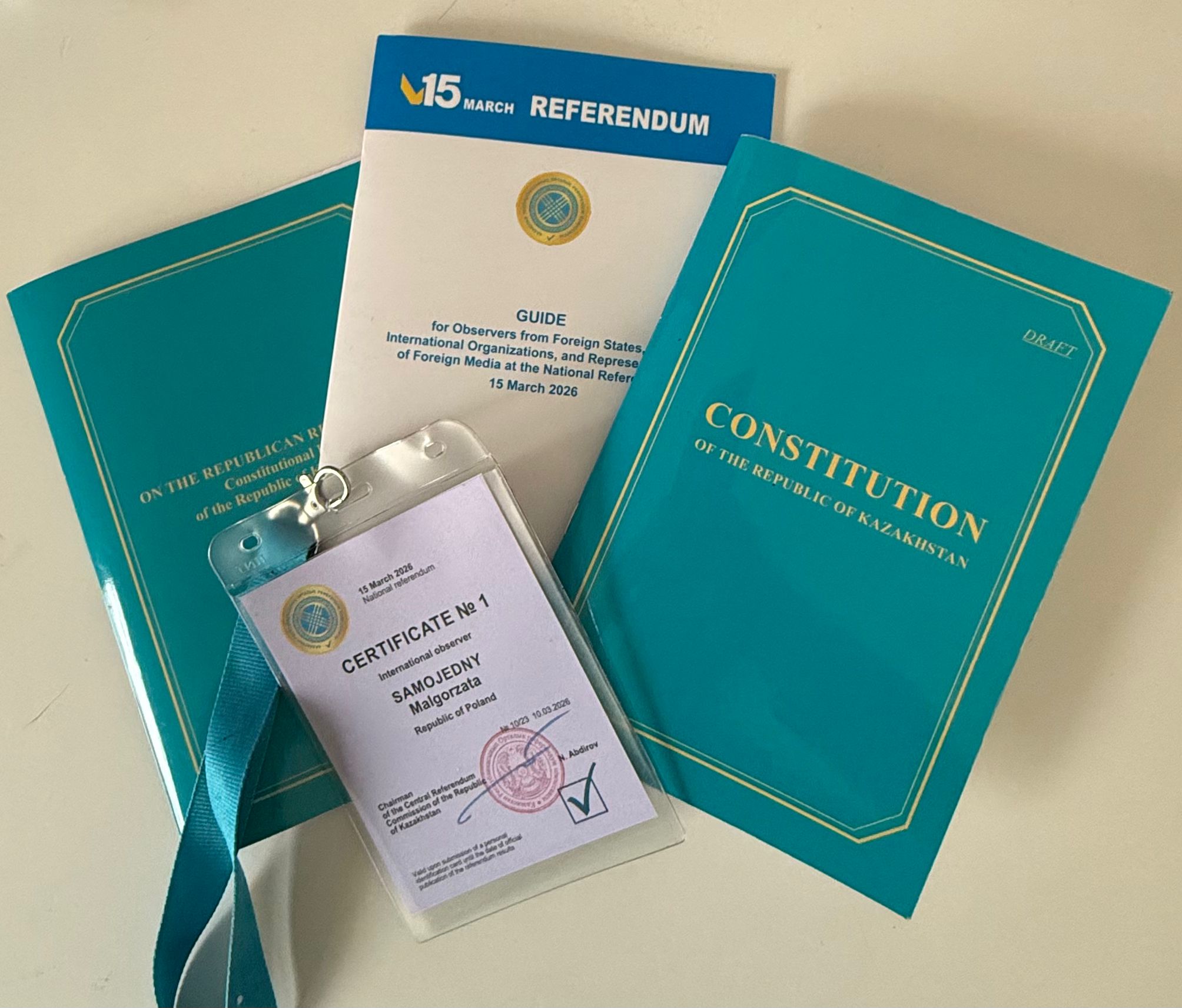
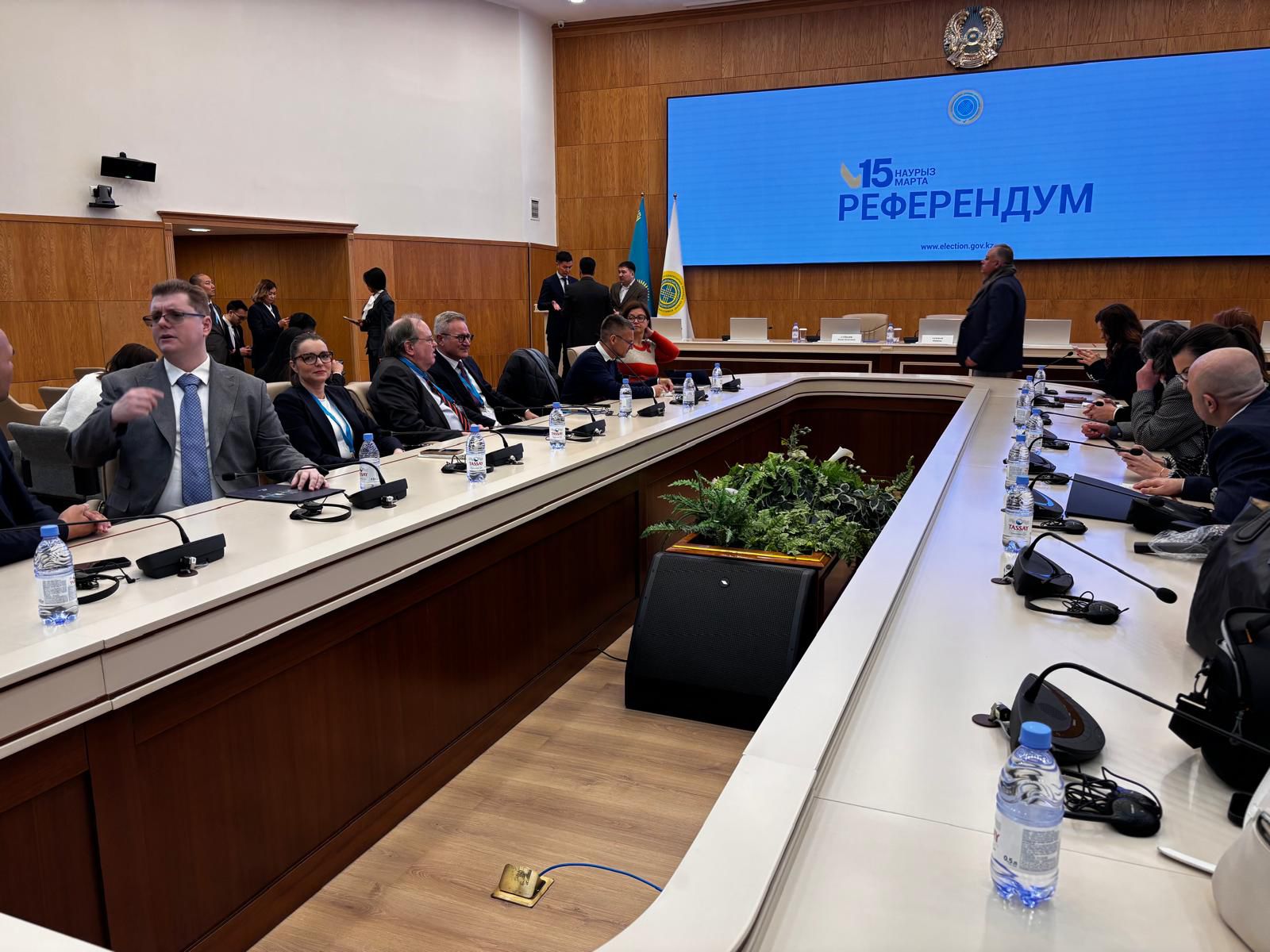
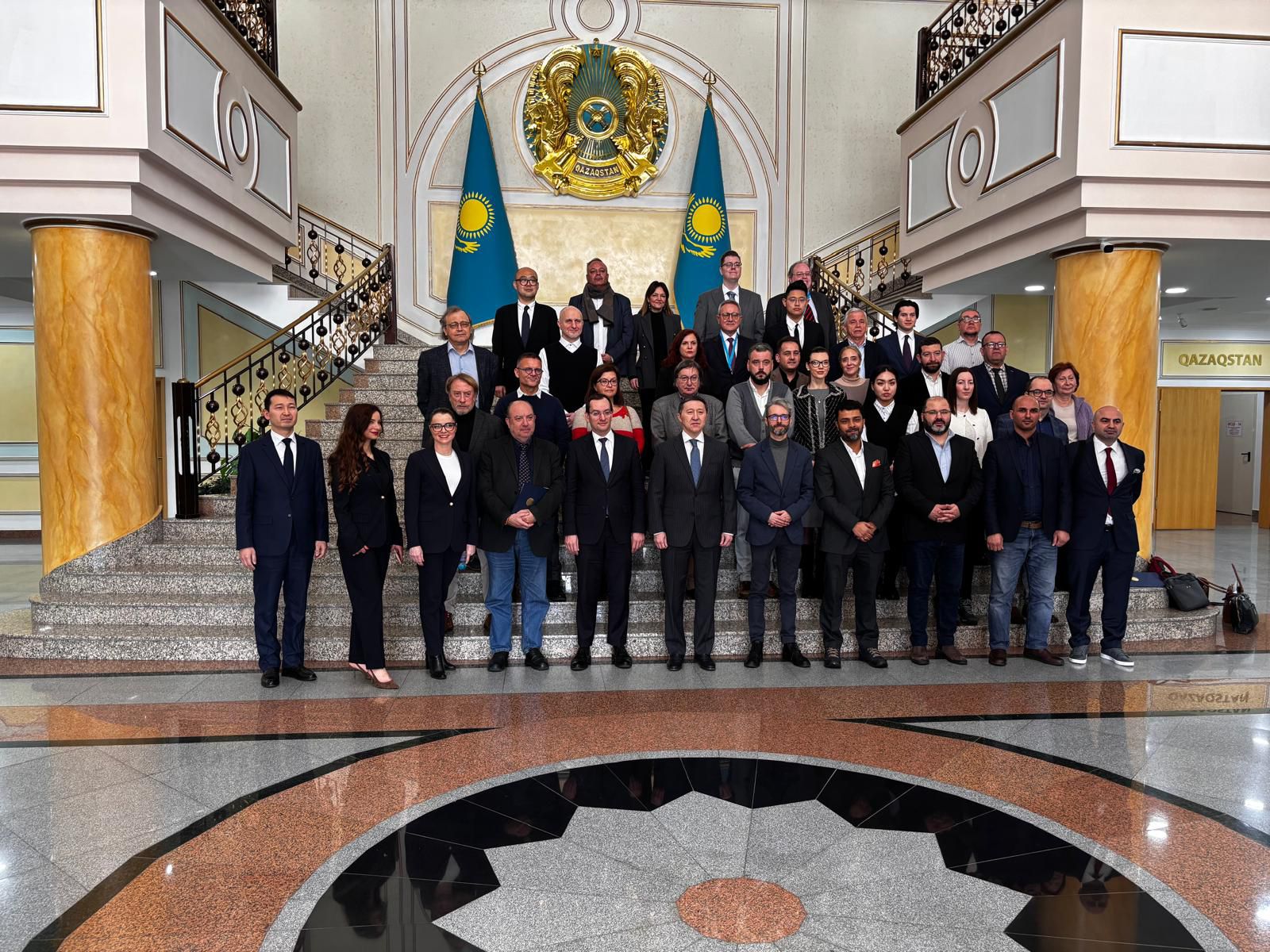
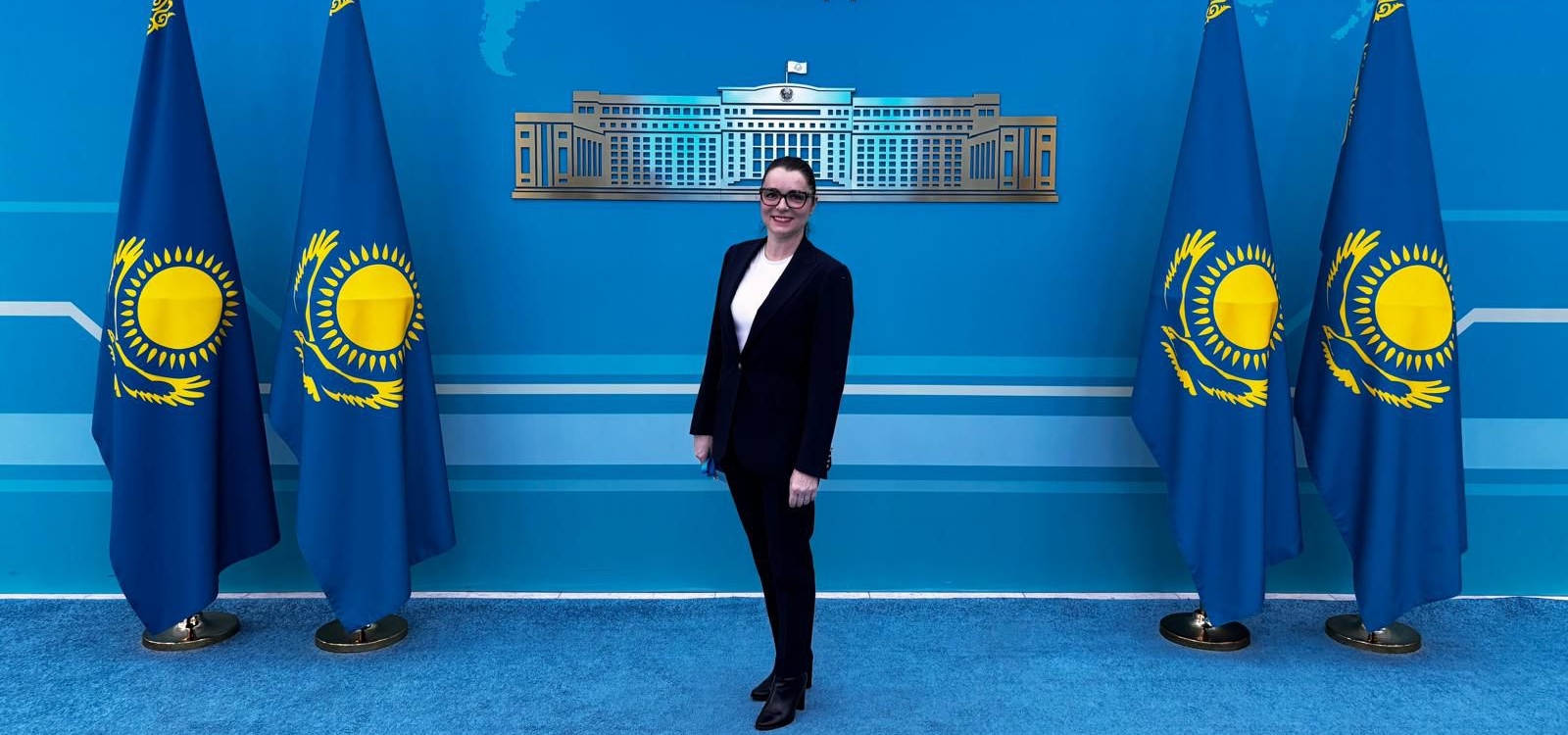
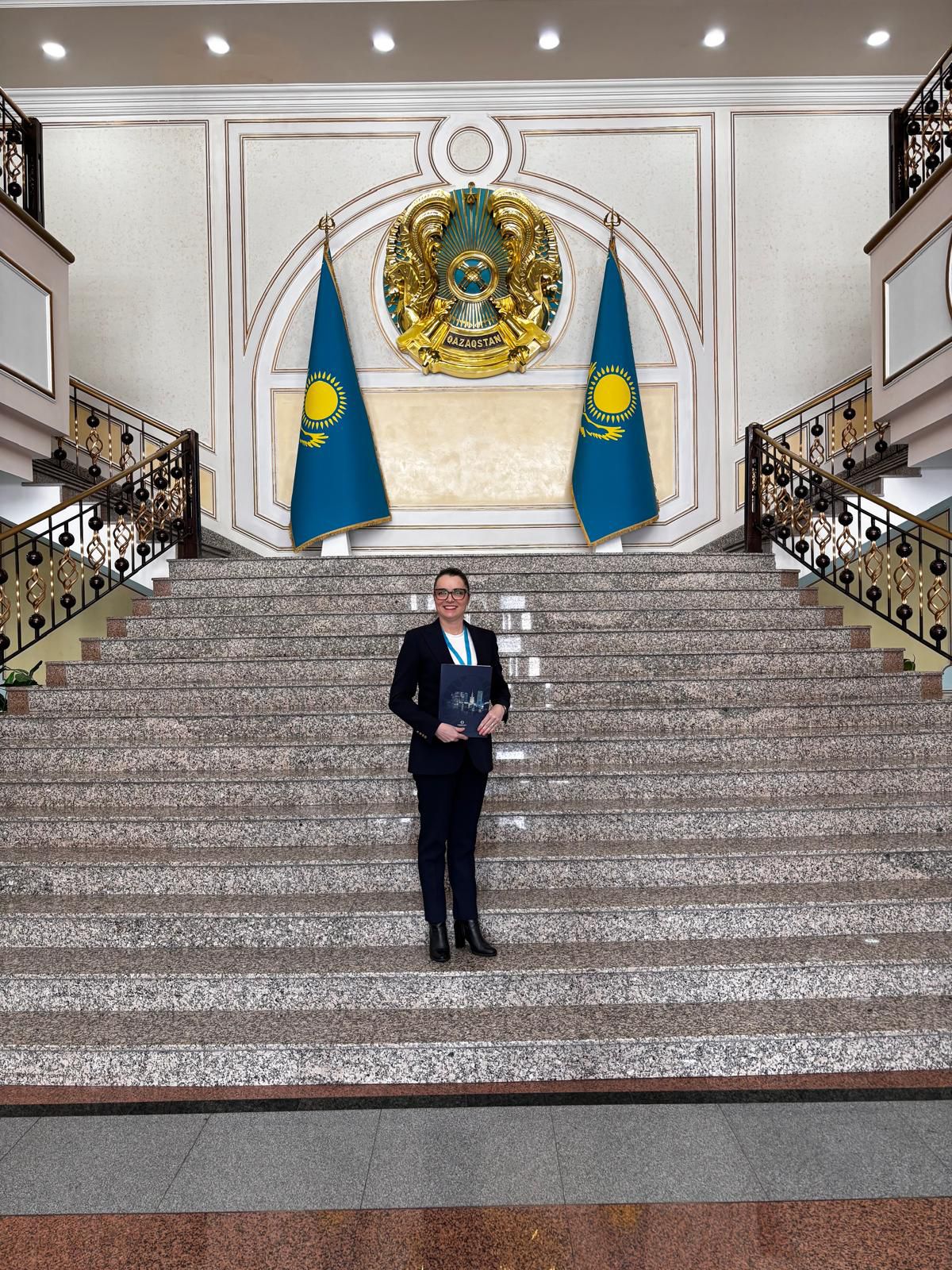
The Constitutional Court of the Republic of Kazakhstan published the draft of a new constitution on January 31, 2026. The nationwide referendum on constitutional amendments was held on March 15, 2026. On March 14–15, 2026, Dr Małgorzata Samojedny, President of The Opportunity Institute for Foreign Affairs, participated in the observation of the referendum in the capacity of an international observer.
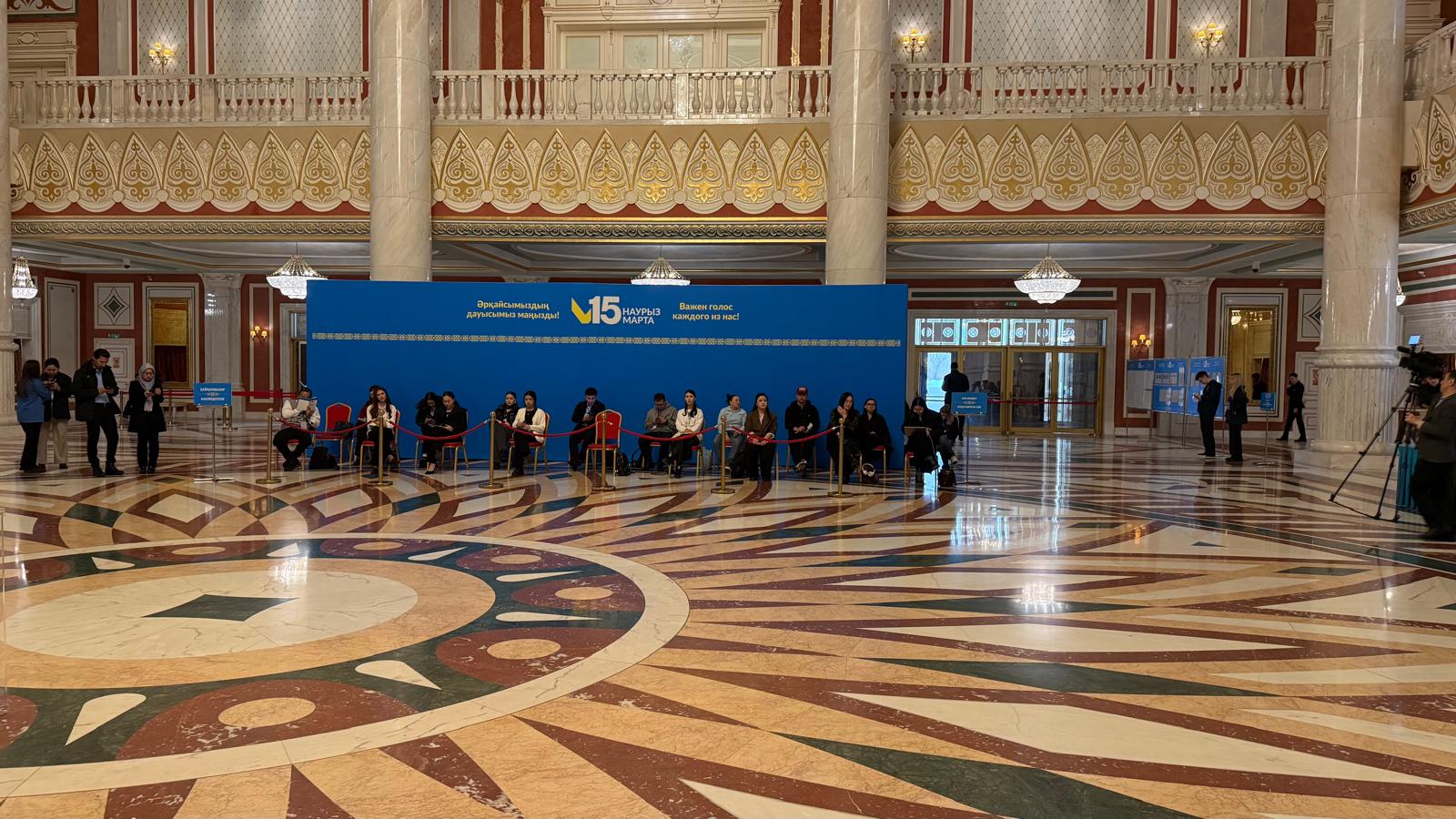
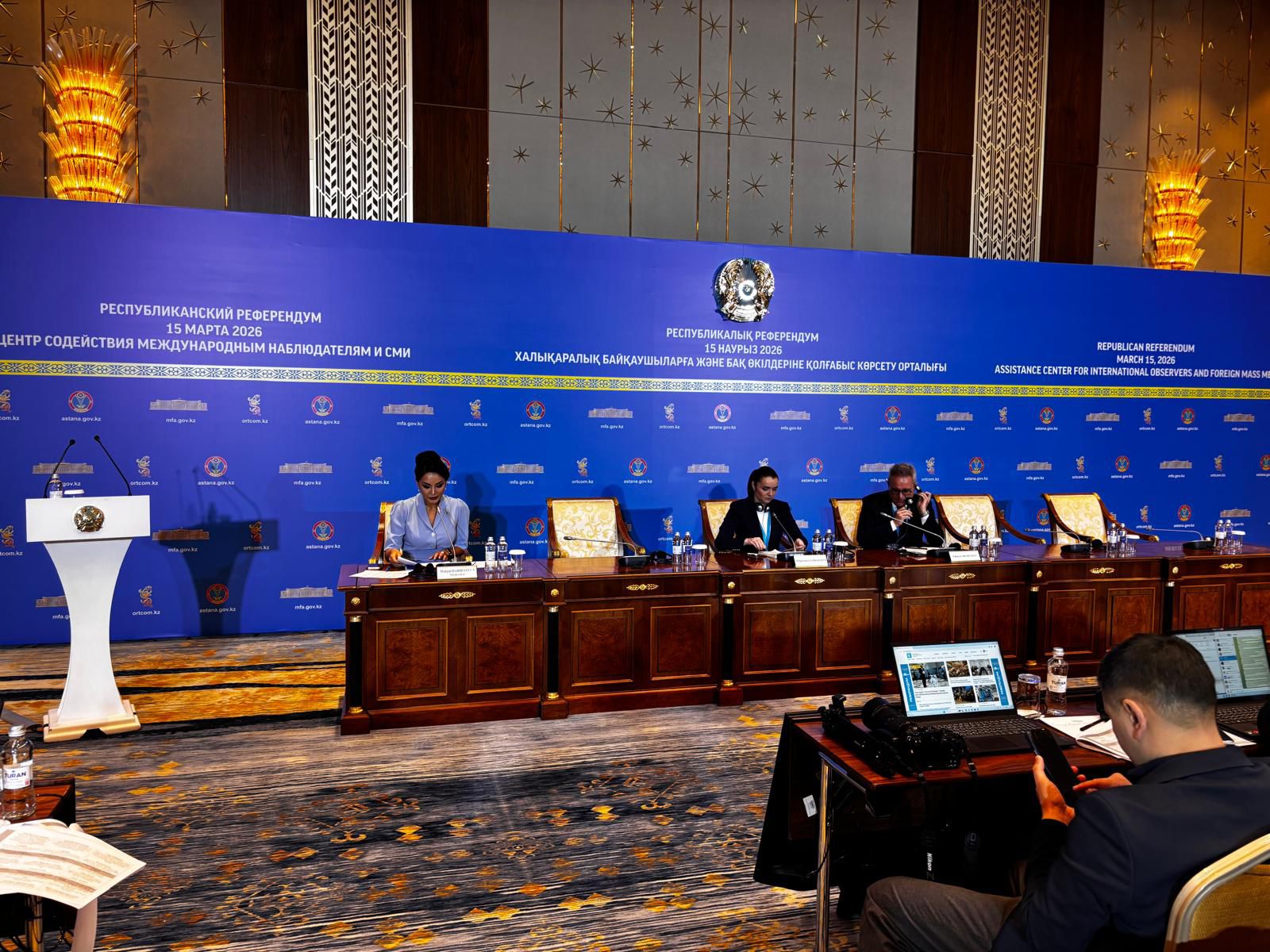
The visit began with a briefing for foreign journalists at the Ministry of Foreign Affairs of the Republic of Kazakhstan, led by Deputy Minister of Foreign Affairs Arman Issetov. During the meeting, basic information regarding the organization of the referendum was presented, and the importance of the presence of international observers was emphasized. It was indicated that the referendum process was monitored by 359 international observers and 206 foreign journalists. It was also underscored that citizens of Kazakhstan had the opportunity to cast their votes both within the country and at diplomatic missions abroad.
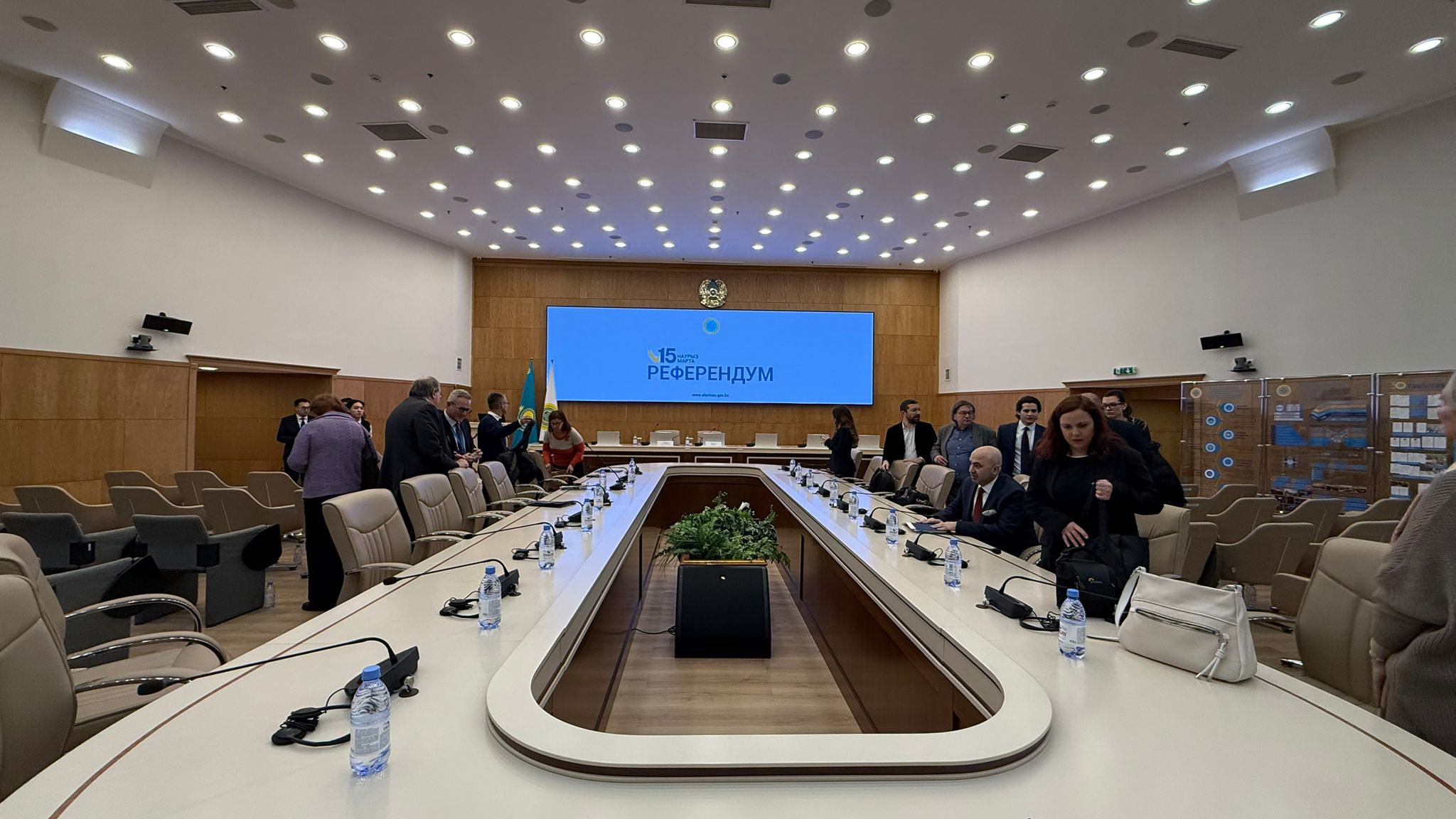
Detailed information on the course and organization of the referendum was presented during a meeting with representatives of the Central Referendum Commission, chaired by Mukhtar Yerman, a member of the Central Election Commission. Both the briefing at the Ministry of Foreign Affairs and the meeting with commission representatives were held in compliance with the pre-election silence. No political campaigning was conducted, with activities limited exclusively to providing information about the process and encouraging citizens to participate in the vote.
Polling stations were open from 7:00 a.m. to 8:00 p.m. On the day of the vote, observation was conducted at four precinct referendum commissions — three located in Astana and one in the town of Koschi, approximately 15 kilometers south of the capital.
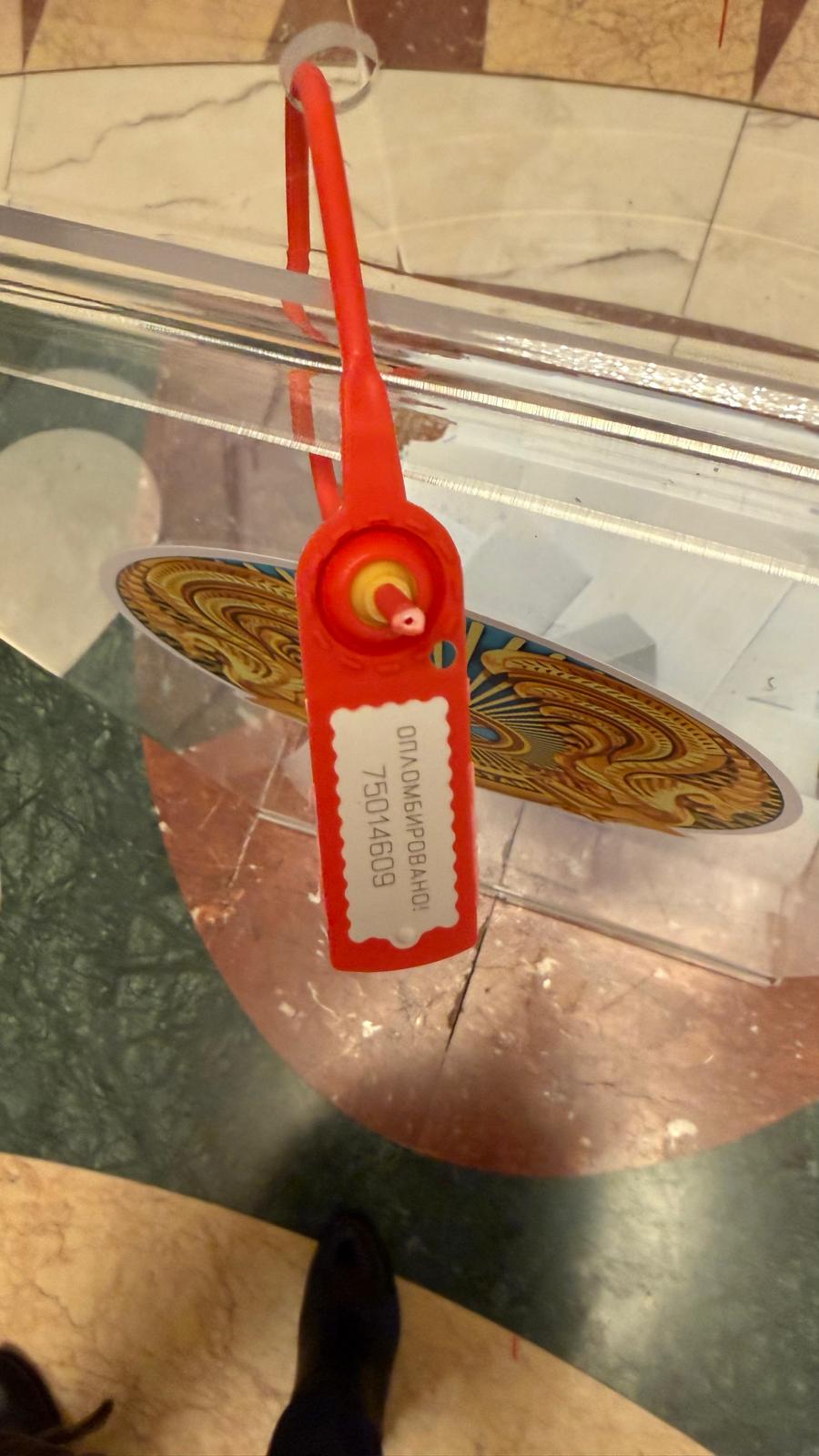
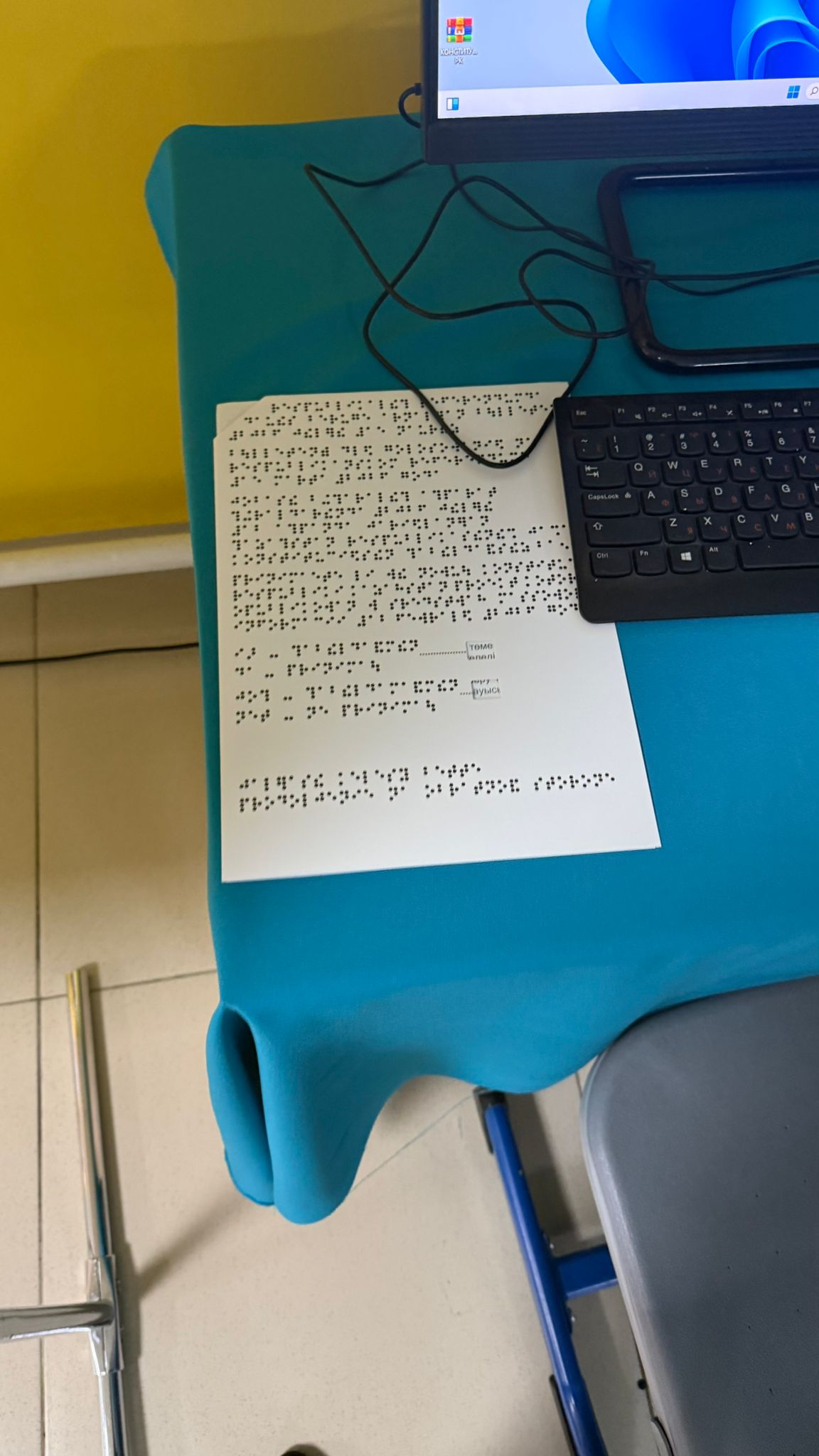
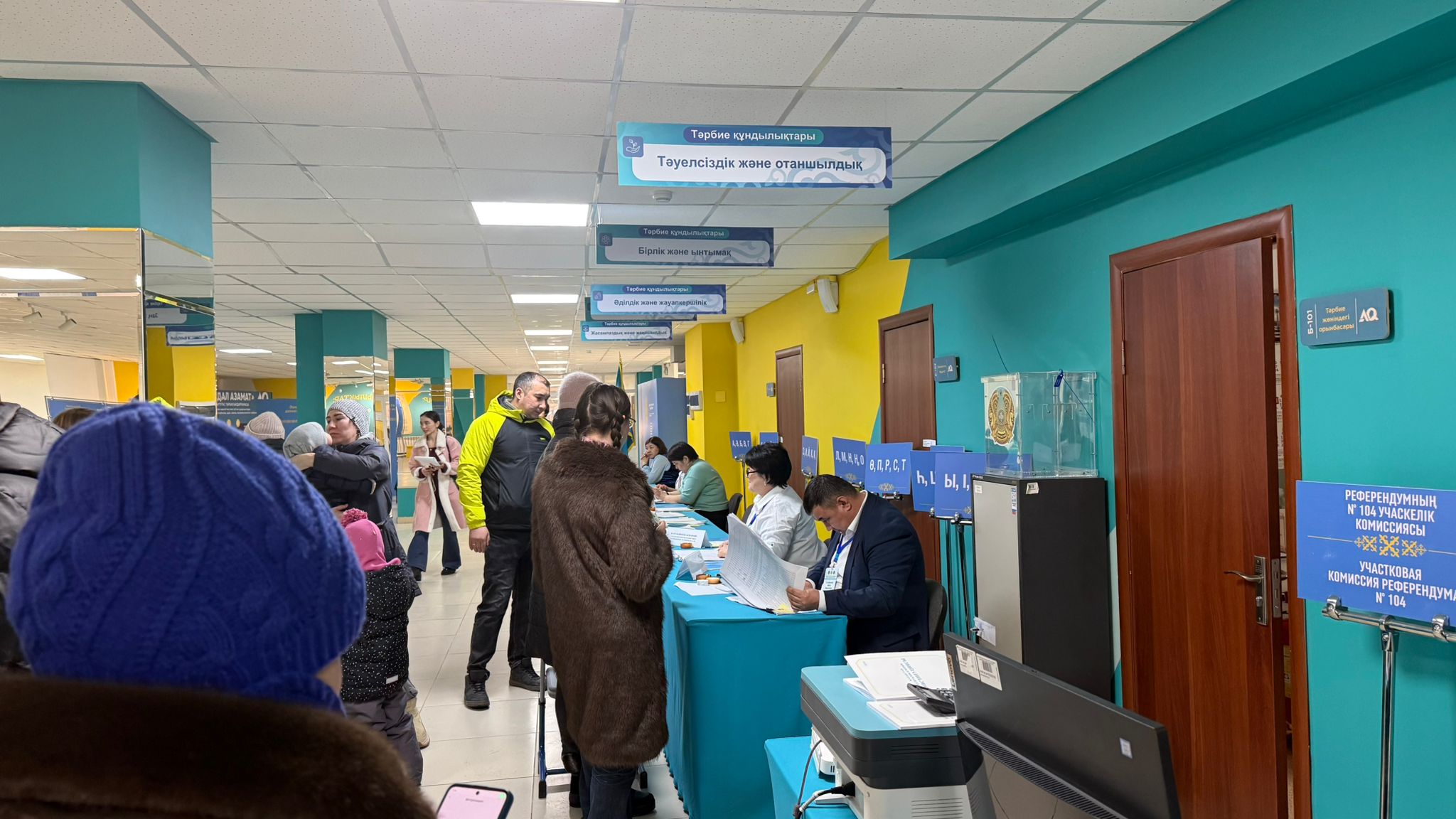
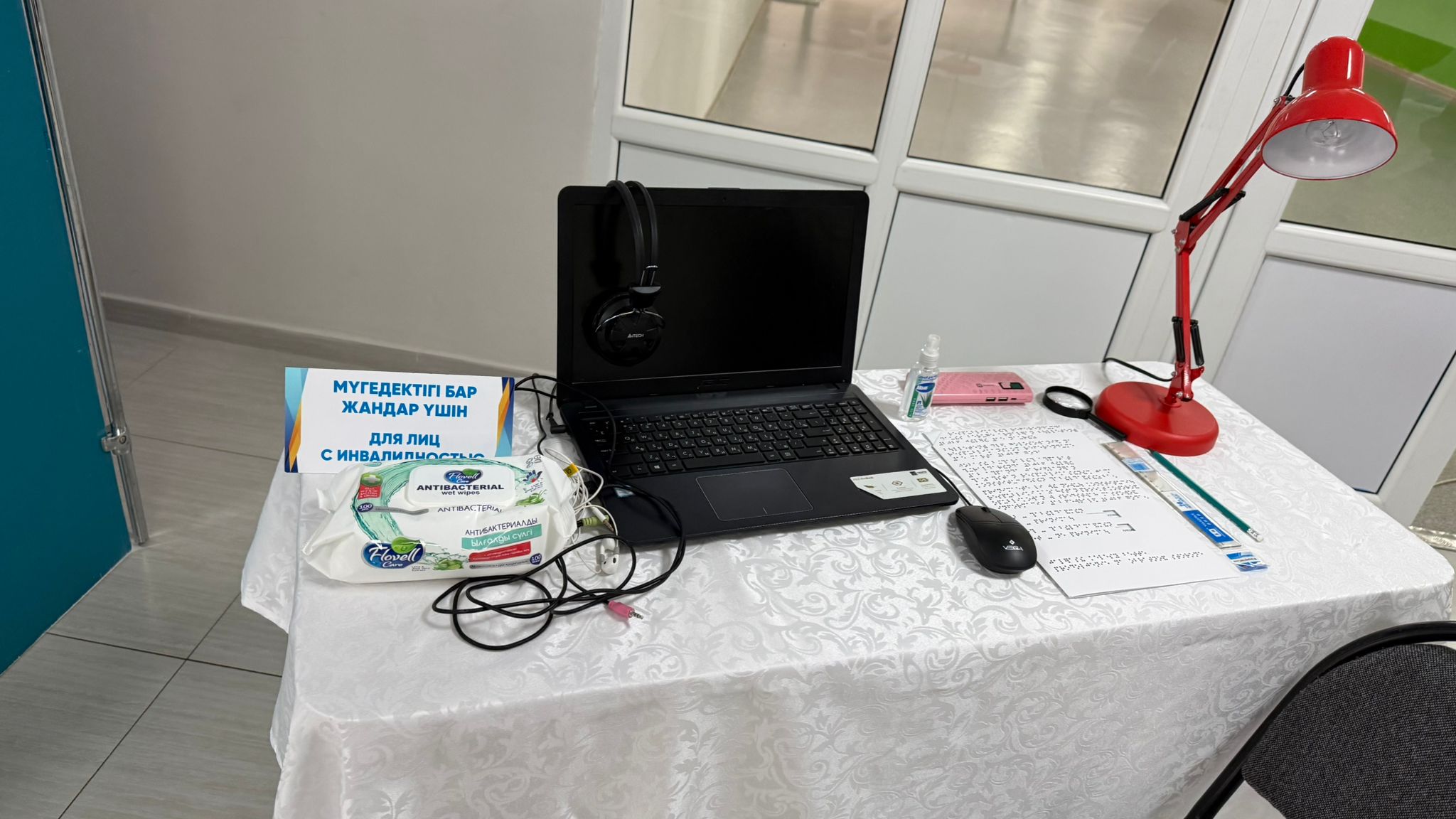
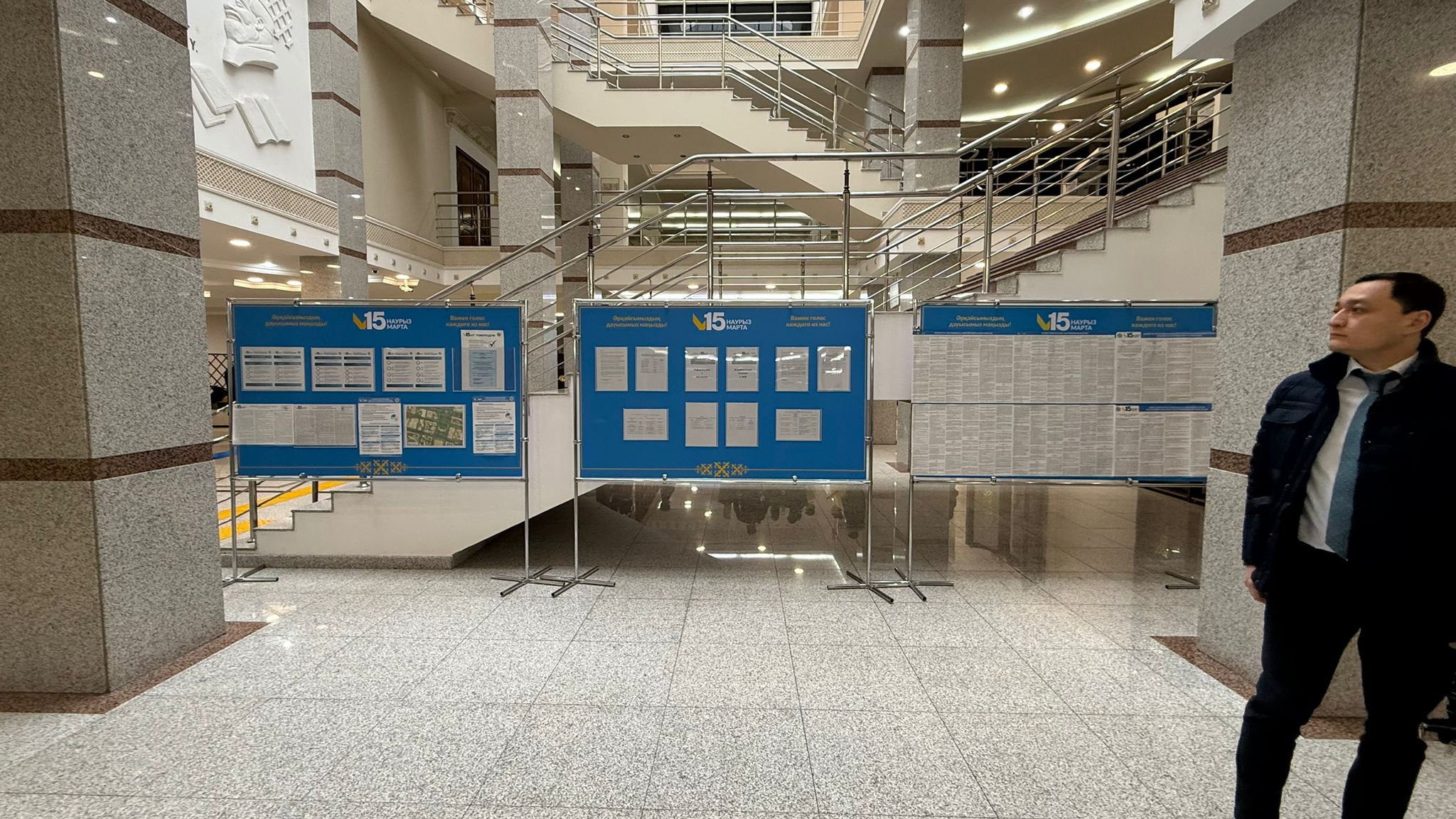
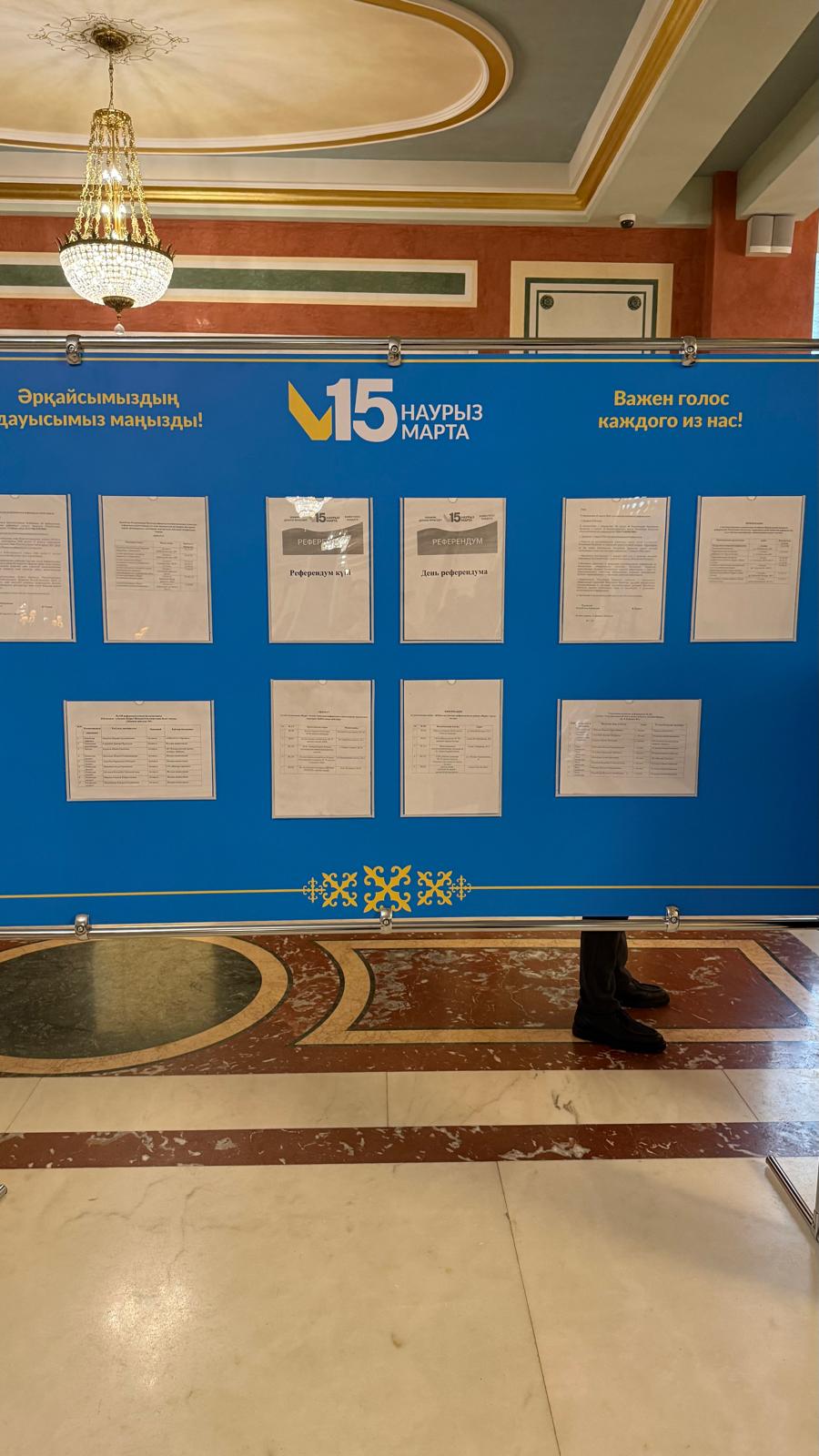
The first polling location observed was the precinct referendum commission situated in the opera house building in Astana. Security gates and checks of entering individuals were in place at the entrance. The commission was positioned to the side of the room, and the voting process proceeded in an orderly manner, in accordance with established procedures, including voter identification and registration, issuance of the ballot, and casting the vote in a booth. Informational boards at the entrance displayed the draft constitutional amendments and voting instructions in Kazakh and Russian. Accessibility measures for voters with disabilities were also provided, including materials in Braille and the option to listen to the text of the constitutional draft. These solutions were functioning properly.
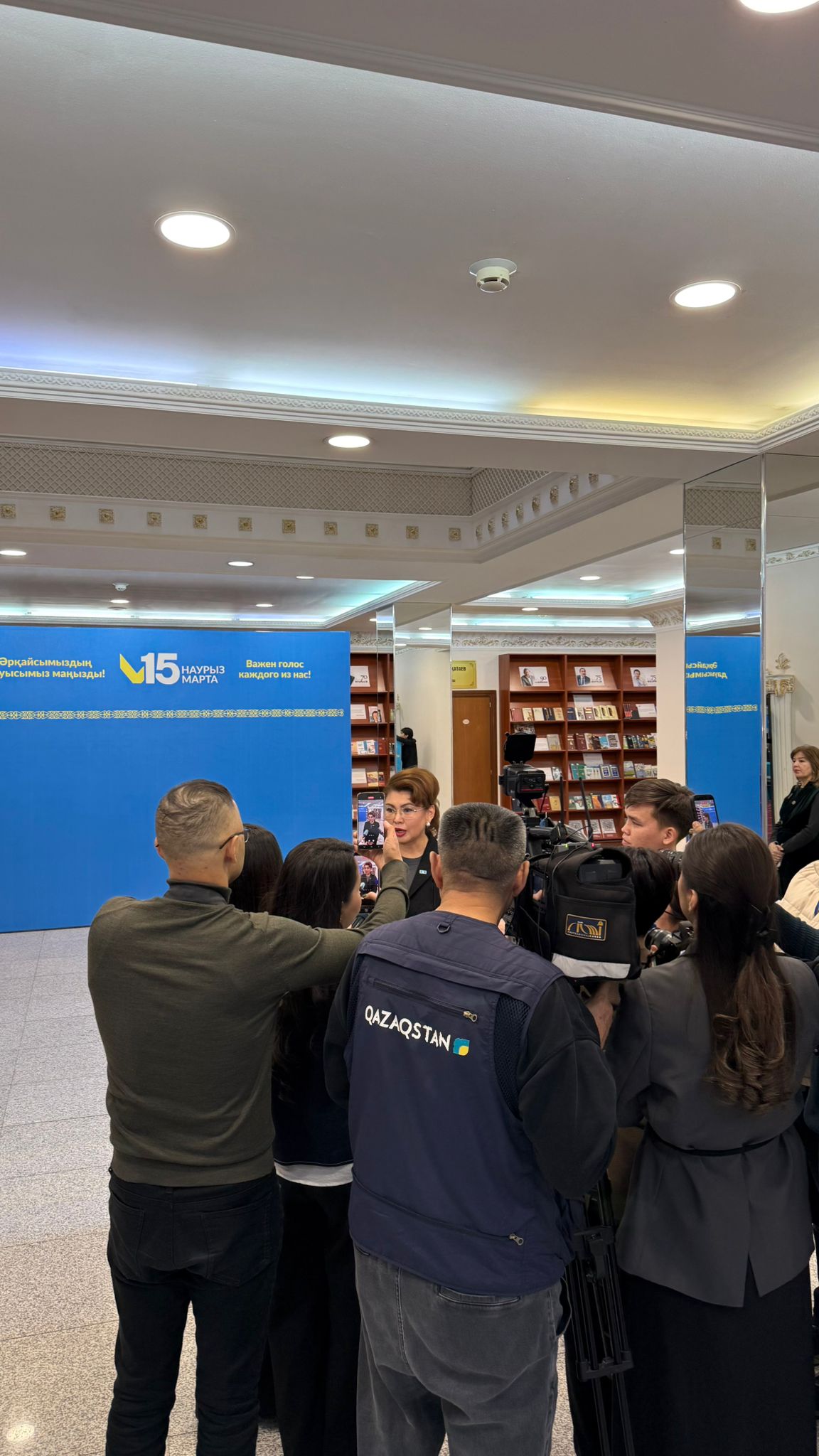
The next observation site was the precinct referendum commission located in the National Library in Astana. Security gates were installed at the entrance, although checks were less stringent than at the previous location. Banners presenting the draft constitutional amendments were to be found in the voting room. The organization of the voting process was similar to the one in the previously described location, with the commission seated opposite the voting booths. Independent observers, including media representatives, were present in the polling station. According to information provided by the commission, more than 2,000 votes were expected to be cast. During the visit, the Vice Prime Minister of Kazakhstan cast her vote.
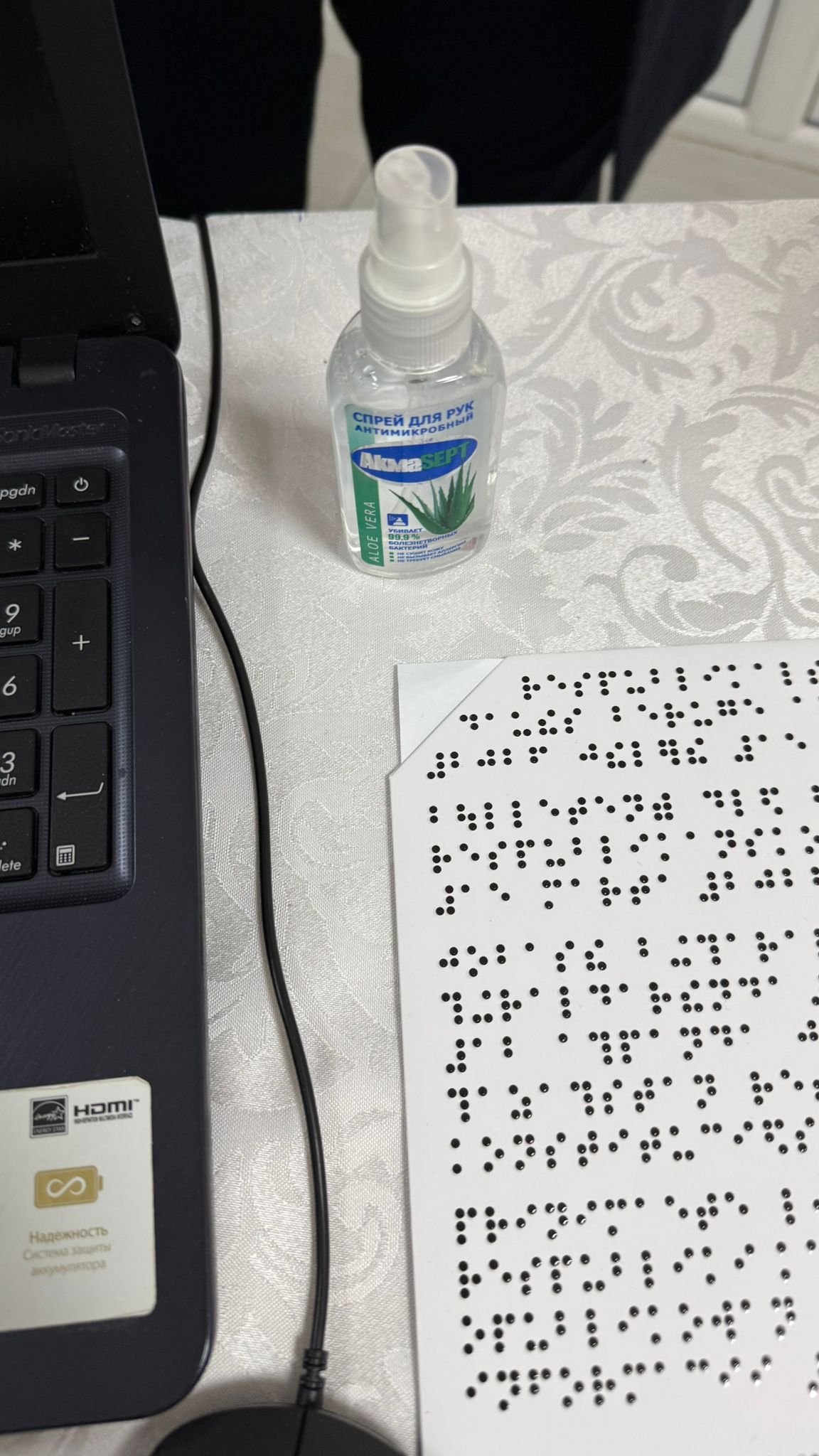
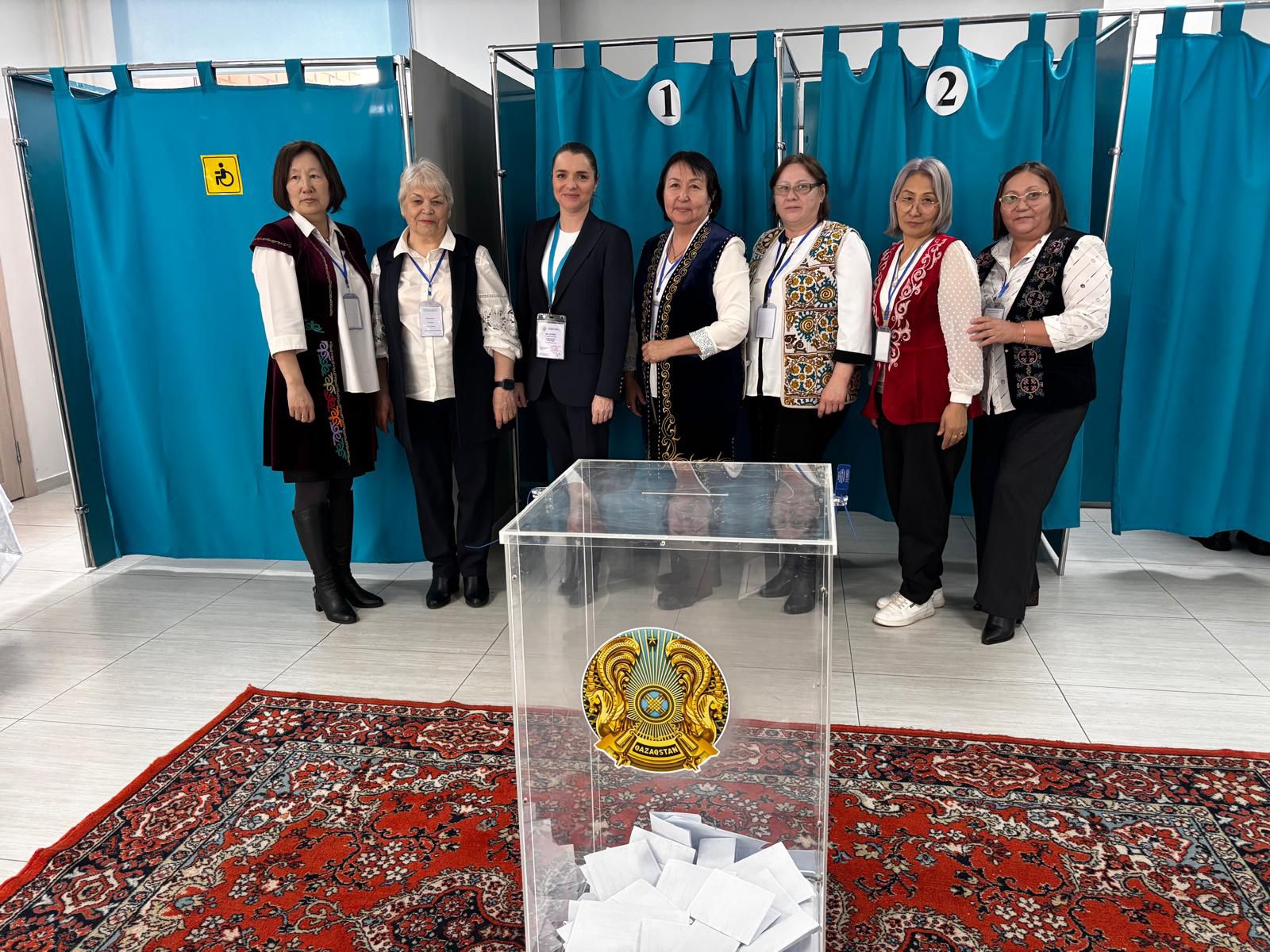
The third observation site was the precinct referendum commission in the town of Koschi, which has a population of approximately 58,000 and serves as a residential hinterland for Astana. The commission was located in a school building. As in other polling stations, information boards presenting the draft constitutional amendments were made available. Particular attention was given to the very well-prepared facilities for voters with disabilities, including materials in Braille, a computer with an audio function for the draft content, and equipment sanitization supplies. Other observers were also present at the polling station. A noticeable feature was the higher prevalence of traditional clothing among voters, reflecting a strong sense of cultural identity in the local population.
The final observation site was the precinct referendum commission located in a school in Astana. The commission comprised approximately seven members, and the polling station hosted a large number of domestic observers. Both standard voting booths and facilities adapted for voters with disabilities were provided. The organization and operation of the commission were of a high standard.
Based on the conducted observations, it can be concluded that the constitutional referendum process in the visited polling stations was well-organized and carried out professionally. Information materials were made available in two languages, and appropriate provisions were in place for voters with disabilities. The voting process raised no concerns and did not indicate any irregularities.
Przeczytaj też
Notes
The conflict between the United States and Israel on the one hand, and Iran on t...
Notes
The Strait of Hormuz is not only a critical route for oil and gas exports but al...
Expert seminars
On 4–5 September, the Warsaw headquarters of The Opportunity Institute for Forei...
Web development & Web design: Artixen.net | © 2024 Oppotrunity